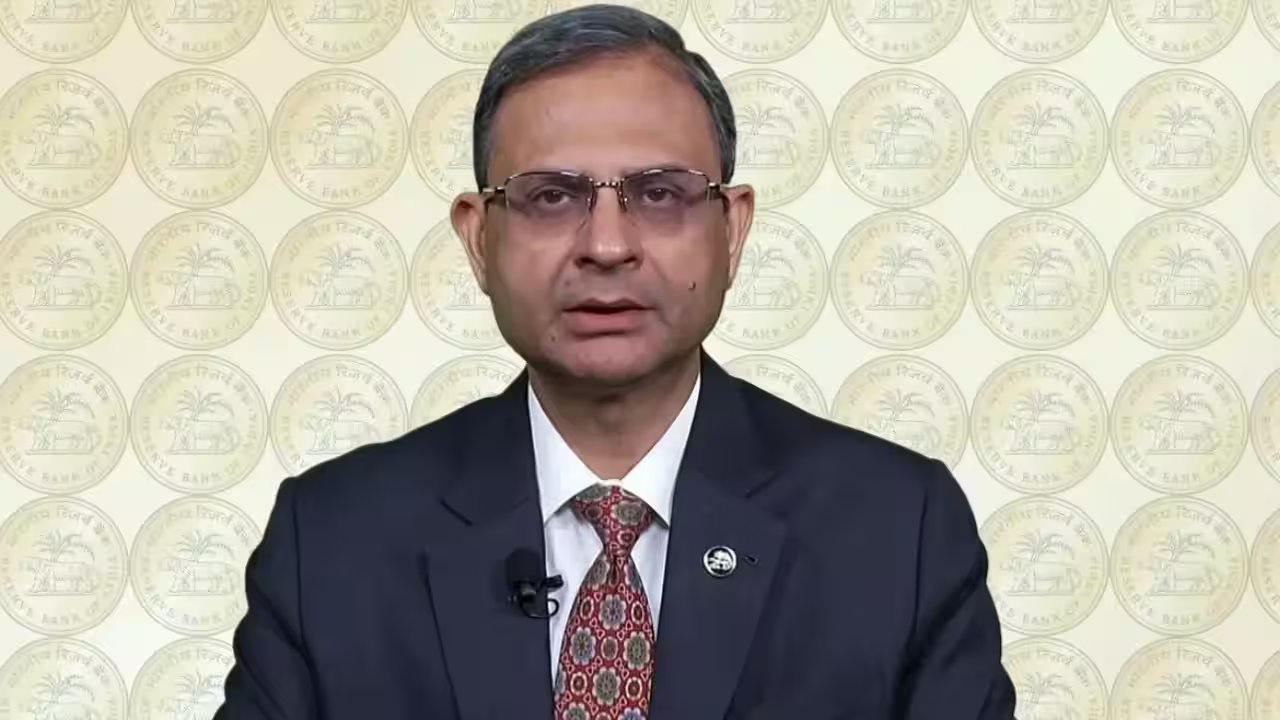
The rupee closed at 96.78 on Wednesday, down 36 paise from its previous close, after dipping to 96.85—a five-month low—during intraday trading. RBI Governor Sanjay Malhotra addressed the slide directly, rejecting the notion that the currency is overvalued. "By a number of estimates, including the real effective exchange rate, the rupee is not overvalued. It may be undervalued," Malhotra stated during a press conference following the Monetary Policy Committee meeting.
He emphasized that while short-term market sentiment can be erratic, the central bank will step in to prevent excessive volatility. "Markets can be quite irrational in the short run. It's only in the long run that they are able to find the right value," the Governor said. The RBI’s mandate, he clarified, is to support the rupee’s orderly movement toward its "correct value" rather than fighting market forces with fixed exchange rates.
Malhotra offered a nuanced view on global capital flows, suggesting a potential correction in overvalued US AI stocks could actually benefit India. He argued that such a shift would not severely harm the Indian economy but might instead redirect foreign investment to emerging markets. However, he warned that US tariffs and the lack of a formal trade deal remain negative factors, though these could be offset by new trade agreements with other nations.
The data presented by the Governor paints a mixed economic picture. The current account deficit widened in July due to a surge in merchandise trade deficits, which rose to $58.7 billion in July and August compared to $55.1 billion in the same period last year. This increase was driven primarily by higher imports of electronic goods and crude oil. Despite this, net Foreign Direct Investment (FDI) improved significantly, rising to $13.8 billion in the first four months of the year from $9.6 billion a year earlier. Malhotra attributed this to strong global investor interest, even as Foreign Portfolio Investment (FPI) recorded net outflows of $10.3 billion up to October 5.
The market reaction to the central bank’s stance and the recent interest rate hike was immediate and negative. The Sensex snapped its two-session winning streak, closing 429 points lower at 72,639, while the Nifty fell 173 points to 22,603. While PSU bank and housing finance indices bucked the trend with nearly 1% gains, the broader banking and financial services sectors remained flat. Looking ahead, the RBI expects the balance of payments to record a healthy surplus this year, aided by capital flow measures introduced in the June policy. The next critical observation will be whether the RBI’s intervention is enough to stabilize the rupee above the 97 mark in the coming weeks, as traders digest the new trade rules designed to simplify reporting for small exporters and service providers.