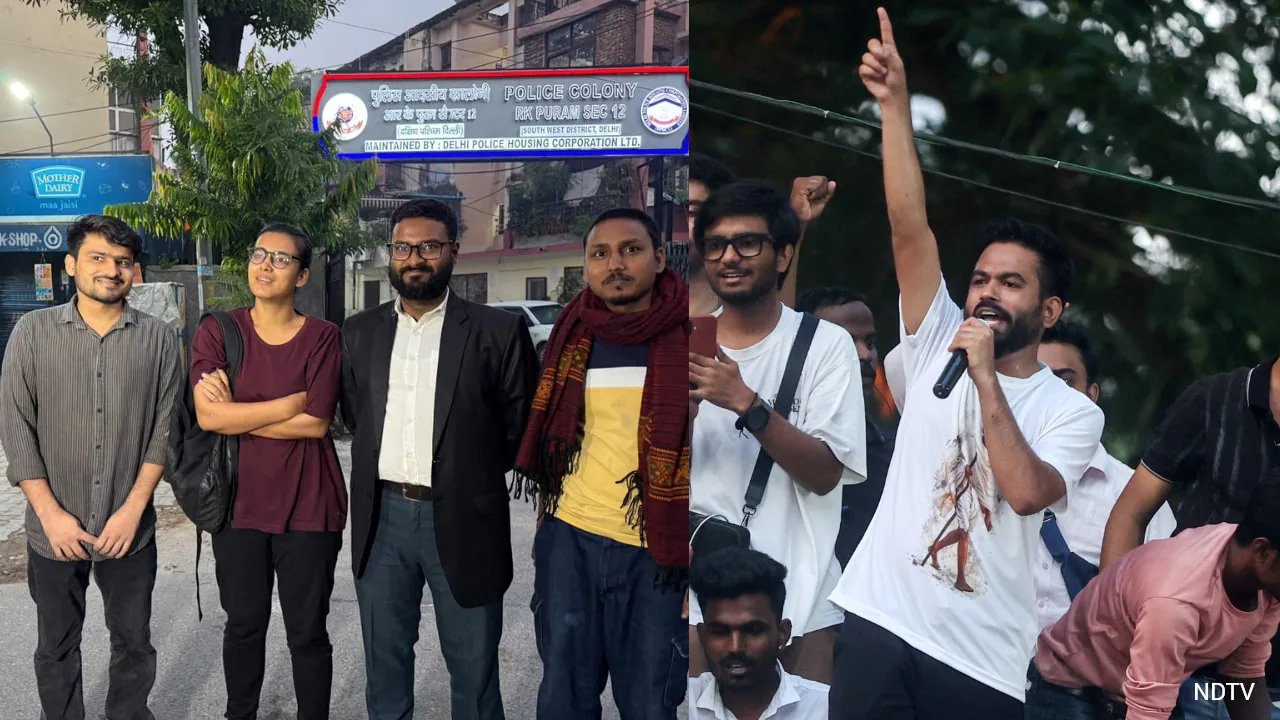
Delhi Police shifted from preventive custody to formal preventive arrest for Cockroach Janta Party (CJP) founder Abhijeet Dipke early Saturday morning. He was booked under Sections 126 and 170 of the Bharatiya Nagarik Suraksha Sanhita (BNSS), citing apprehended breach of peace. Unlike standard procedural arrests, Dipke’s specific location remains undisclosed to his legal team.
Simultaneously, authorities released All India Students' Association (AISA) chief Neha Bora after she completed formalities under Section 65 of the Delhi Police Act. Both leaders were detained while en route to the 'Lehra Do Tiranga' protest march at Connaught Place on Friday. The timing suggests a strategic move to remove key organizers before the demonstration peaked, though police frames it as standard crowd control.
CJP legal head Ratna Singh confirmed the arrest but highlighted a troubling procedural gap. "Abhijeet is arrested & will be produced before SEM court. His location still unknown, lawyers haven't met," Singh wrote on X. This lack of transparency contrasts sharply with the earlier detention, where CJP claimed they lost contact with Dipke entirely, alleging police refused access to associates.
Bora used her release to launch a broader critique of police tactics. She argued that holding protesters overnight without valid judicial order has become a daily norm in the ongoing movement. "We see protesters being apprehended and detained, only to be released the following morning or evening," Bora stated. She demanded the immediate release of Dipke and other held citizens, labeling the detentions as tools to instil fear rather than enforce law.
Dipke is scheduled to be produced before the Special Executive Magistrate (SEM) court later today. Legal observers will watch whether the court grants bail or extends the preventive custody, a move that could further inflame tensions between the protest groups and the Delhi government.