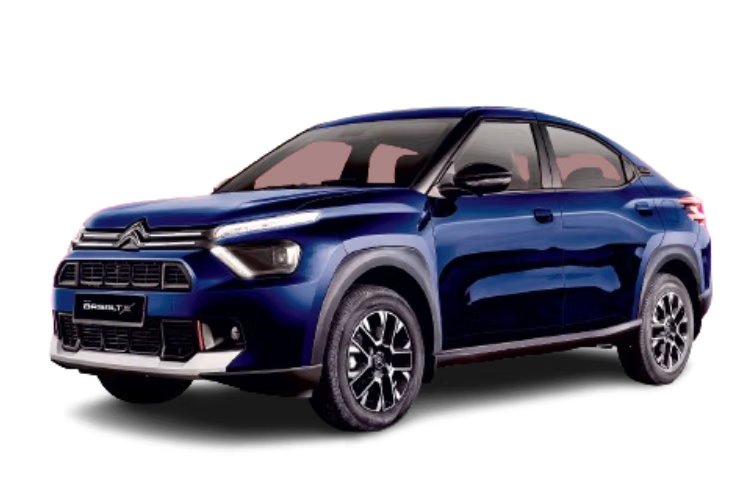
Stellantis’ latest move shows the group is willing to bring in hybrid powertrains from outside partners instead of building everything in-house. The idea is to keep the tech affordable for Indian buyers while still meeting the country’s tightening fuel‑efficiency standards.
The company is weighing a few routes: sourcing from a global supplier, teaming up with a local player, or importing the units under free‑trade agreements. “The tech is expensive to develop,” said Shailesh Hazela, Stellantis India CEO, “so buying it off‑the‑shelf or partnering can cut the cost.”
Which cars will get the hybrids? That’s still a work in progress. Stellantis plans to roll the new powertrains across its Jeep and Citroën families, but the exact models and the mix of ICE, hybrid, EV or CNG remain undisclosed. The eC3 is on the immediate radar, and an electric Jeep is also in the pipeline.
Backing the move is a Rs 4,000 crore Fastlane 2030 investment that will fund seven new models and five refreshes by 2030. That capital will also help the company tap India’s reputation as a transmission hub, leveraging local expertise and its global network to develop the tech.
From a buyer’s point of view, hybrids could mean a lower purchase price and better fuel economy. They also help Stellantis hit India’s corporate average fuel‑efficiency (CAFE) targets, which are tightening every year. If the hybrids hit the market in time, they could give the brand a leg up against rivals like Hyundai, Tata and Mahindra that are already selling hybrids.
The first hybrid launch is slated for Q2 2027, with initial availability likely in metros like Mumbai, Delhi and Bengaluru. Keep an eye on the model names and price points once the announcement hits the press; that will tell whether the partnership strategy actually delivers the savings promised.