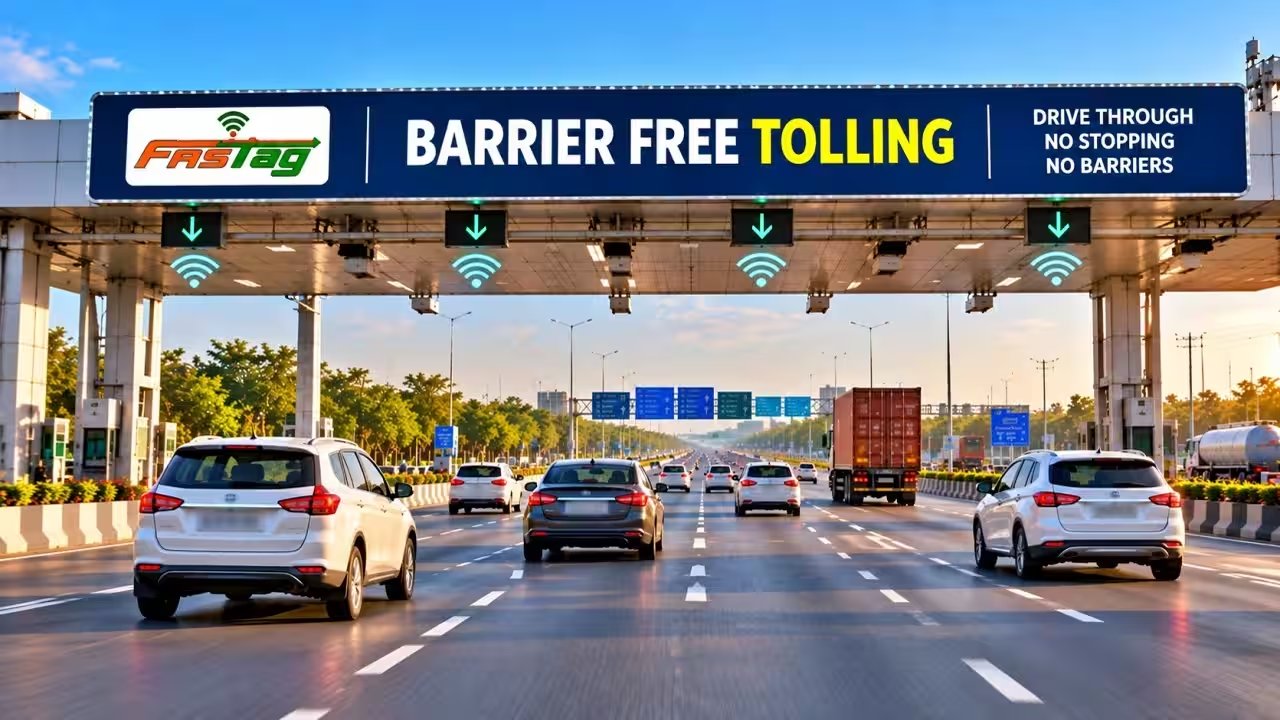
On 13 May 2024 a convoy of cars and trucks zipped past the newly installed MLFF sensors at the Chorayasi Toll Plaza on NH‑48, Gujarat, and the toll—₹15 for a 4‑wheel‑car—was automatically deducted from the vehicle’s FASTag. The system blends Automatic Number Plate Recognition, AI analytics and the existing FASTag infrastructure to replace the physical barrier that traditionally slows traffic; a vehicle’s licence plate is scanned, the tag is validated and the fee is debited in real time.
By letting vehicles travel at 80‑85 km/h, the average wait at a toll point drops from 20 seconds to a fraction of a second, cutting fuel consumption by roughly 250 million litres annually and cutting emissions by 81,000 tonnes. The Ministry estimates that wider adoption of MLFF could trim operating costs from 15 % to 3‑4 %, saving about ₹5 000‑₹6 000 crore each year.
A truck driver from Surat, who had spent an average of five minutes at toll booths in 2023, said the new system saved him 15 minutes daily and allowed him to return to the market earlier. "I can keep my cargo on time now," he told a local reporter.
Road Transport Minister Nitin Gadkari said on 7 March 2025 that 70% of toll booths will be MLFF‑enabled by 31 December 2026, with the remaining 30% to follow in a phased fashion. He also noted that 98% of user‑fee collection now takes place through FASTag.
The government plans to launch a pilot on 12 state highways by September 2025; after that, it will coordinate with state governments to deploy the remaining booths, and a final audit will determine if the March 2029 nationwide target is met.