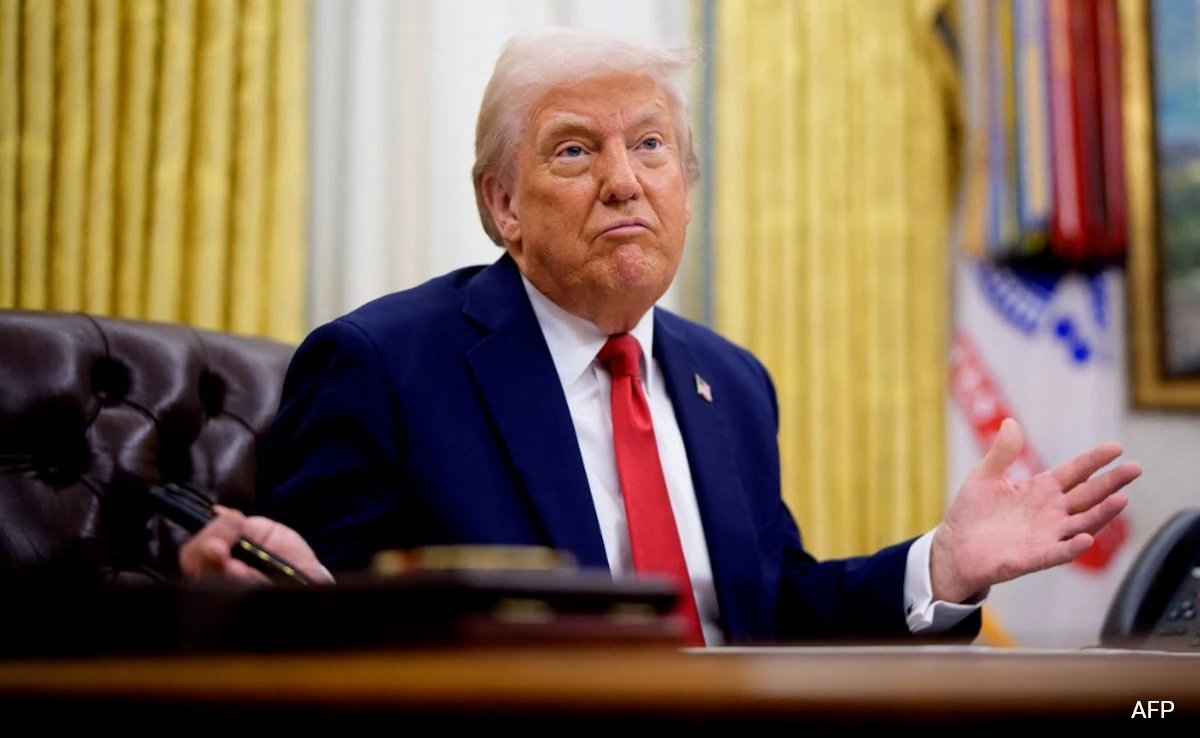
Nidal Hasan will die by firing squad on December 3, but the world will not watch it happen. US President Donald Trump scrapped the controversial livestream plan announced last week by Defense Secretary Pete Hegseth, ending a diplomatic and political firestorm that had engulfed the administration. The execution, set for Fort Hood, Texas, will remain a private military proceeding, though Trump noted that immediate family members of the 13 victims killed in the 2009 attack may attend in person if they choose.
The reversal lands hard on Hegseth, who is already navigating a difficult period with the stalemated Iran conflict weighing on Republican midterm prospects. In a Truth Social post, Trump framed the cancellation as a concession to public sentiment rather than a moral objection. "It might have been a strong deterrent for the World to witness how America deals with Terrorists and SCUM like Hasan," Trump wrote. But he added that "many very good and well meaning people would rather not watch him die." Pentagon spokesman Sean Parnell confirmed the two men spoke before the announcement, stating, "The secretary supports the president's decision, and they are completely aligned."
The backlash was immediate and visceral. The United Nations labeled the proposed broadcast "torture," while the president of the US Conference of Catholic Bishops called it a "barbaric promotion of a culture of death." Prime Ministers of Australia and Britain both described the plan as "abhorrent." At home, the opposition was bipartisan and backed by data. A Washington Post-ABC News-Ipsos poll released Thursday found that eight in 10 Americans opposed streaming the execution. Dozens of retired military officers, including more than 40 generals and admirals, signed an open letter warning that broadcasting the event would "taint the honour of the military" and risk turning Hasan into a martyr for his extremist peers.
Congressional reactions were sharp. Representative Chrissy Houlahan, a Democrat, called the episode "as clear an illustration as any that Hegseth is dangerously unqualified." Senator Jack Reed, a Democrat, conceded Trump was "right to backtrack" but insisted Hegseth "deserves to be admonished for his lack of judgment." The last time the US military executed a prisoner was in 1961, when John Bennett was hanged for rape and attempted murder. Before that, the Death Penalty Information Center records 135 military executions since 1916.
Hasan, who pleaded not guilty but offered no testimony, was sentenced to death in 2013 for killing 13 people and wounding 30 others at Fort Hood. He was paralyzed after a civilian police officer shot him during the attack. His military trial heard evidence of his opposition to the wars in Iraq and Afghanistan and his online communications with Anwar al-Awlaki, an Al-Qaeda-linked cleric killed in a US drone strike in Yemen. The next major milestone is the execution itself on December 3, a date that now carries the weight of a political lesson for the Pentagon leadership.