Tata Nexon EV hit the market in September 2026 with an ex‑showroom price of ₹15.99 lakh and a WLTP range of 312 km on a 30‑kWh battery. It comes with a 108 hp electric motor, 280 Nm of torque, and supports 80 kW DC fast charging, topping out at 80 % in about 40 minutes.
The price‑to‑performance ratio is hard to beat when you stack it against MG ZS EV, which starts at ₹19.49 lakh and delivers a 300‑km range, or Hyundai Kona Electric, priced at ₹23.99 lakh for a 452‑km range. In a market where consumers are weighing upfront cost against daily mileage, the Nexon’s lower entry point and decent range give it an edge over both rivals.
Policy has been a catalyst: the 2024 EV mandate pushes manufacturers to keep internal combustion vehicle production under 30 % of total output, while a 5 % duty on ICE car batteries nudges buyers toward EVs. Subsidies under the FAME‑IV scheme remain in place for vehicles under 20 lakh, which keeps the Nexon’s price attractive for middle‑income buyers.
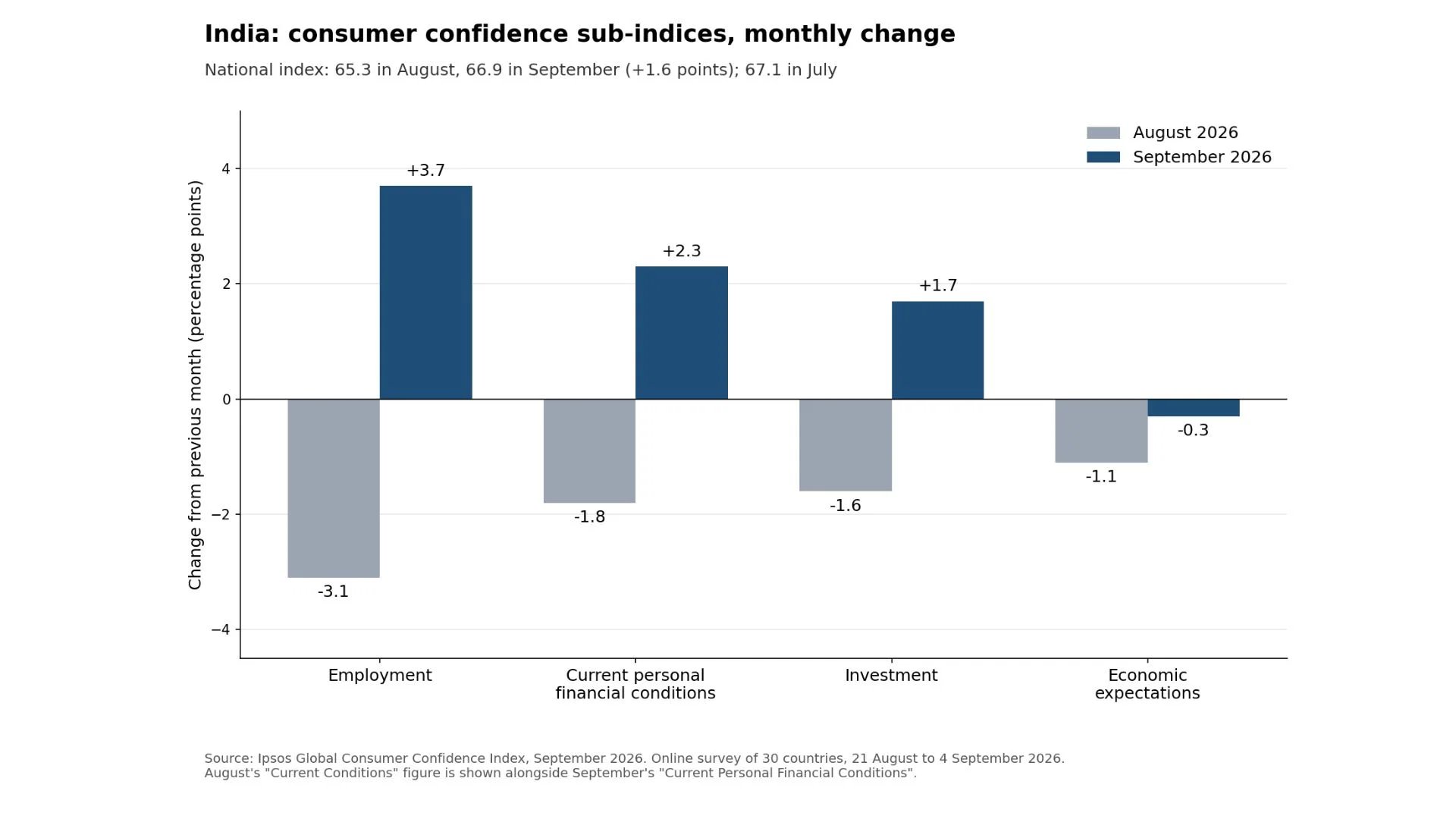
Economic analysts point out that the 1.6‑point jump to a consumer confidence score of 66.9 is largely driven by stronger employment prospects and steadier personal finances—two factors that reduce the perceived risk of a higher upfront vehicle cost. As confidence climbs, more households are willing to commit to a larger purchase, especially one that promises lower operating costs.
The Nexon EV went live in September and will roll out to tier‑1 cities—Delhi, Mumbai, Bangalore, and Chennai—by early October, with availability in tier‑2 cities to follow in December. Buyers in those markets can expect a showroom experience that mirrors the vehicle’s “drive‑first, pay‑later” philosophy, with finance options that match the brand’s pricing strategy.
For anyone eyeing an electric SUV, the Nexon gives a clear benchmark: an affordable price, respectable range, and a launch that aligns with a market ready for EV adoption. Keep an eye on the upcoming service network roll‑outs and the expected dip in battery costs as 2027 approaches, because those factors will shape the long‑term ownership experience.