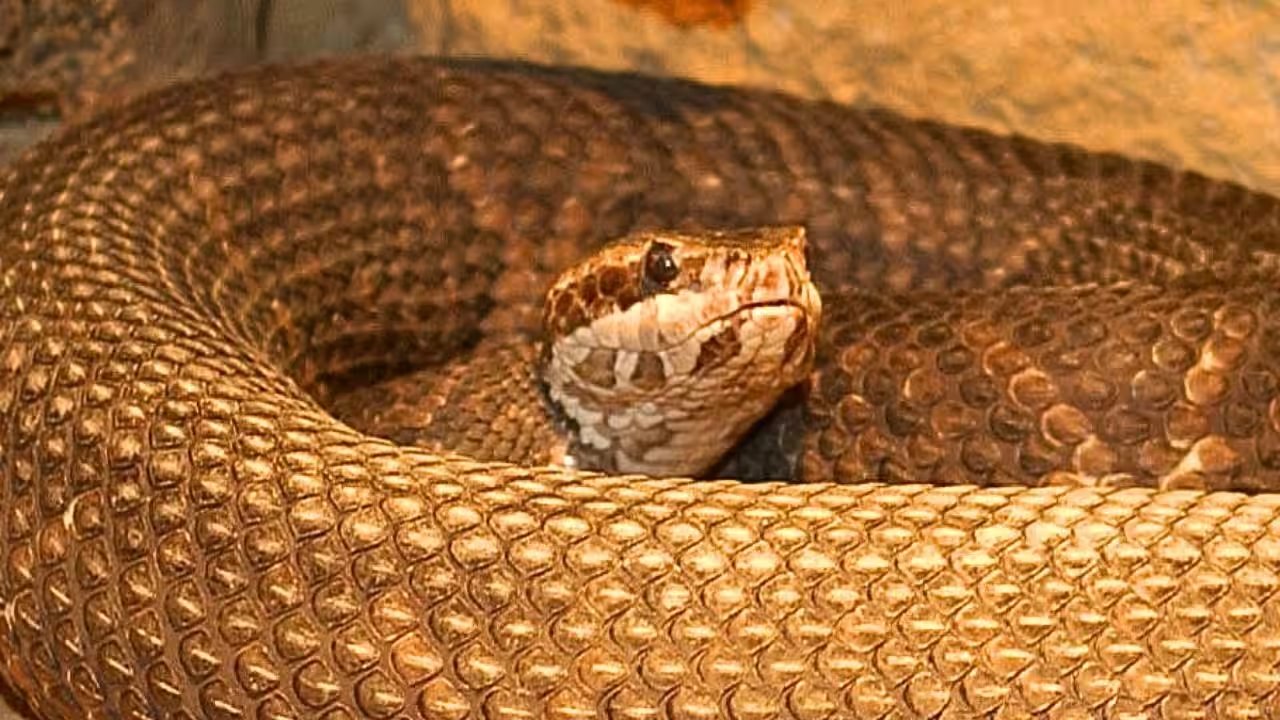
Oklahoma's 46 snake species include seven pit‑vipers that pose a lethal risk to humans. These venomous reptiles share a triangular head, elliptical pupils, and heat‑sensing pits that help them hunt.
The seven species—Prairie Rattlesnake, Timber Rattlesnake, Copperhead, Western Massasauga, Western Diamond‑backed Rattlesnake, Western Pygmy Rattlesnake, and Western Cottonmouth—were catalogued with precise measurements and habitat data.
Prairie and Timber Rattlesnakes favor rocky outcrops and forested wetlands, with adults ranging from 34 to 54 inches; Copperheads are common in diverse woodlands and range 22 to 36 inches, while Western Cottonmouths thrive in swamps and marshes, reaching up to 42 inches.
The Western Massasauga, often called the sand rattler, is 18 to 26 inches long and prefers prairie hillides; its small rattles are barely audible, a fact that can mislead hikers.
“The updated list sharpens public understanding of where these snakes live,” said Dr. Anil Patel, a herpetologist with the department. He added that the information is crucial for farmers near prairie dog towns and for outdoor enthusiasts.
Officials will publish revised safety guidelines by June 30, 2026, and plan a statewide outreach campaign to educate residents about identifying and avoiding these venomous species.