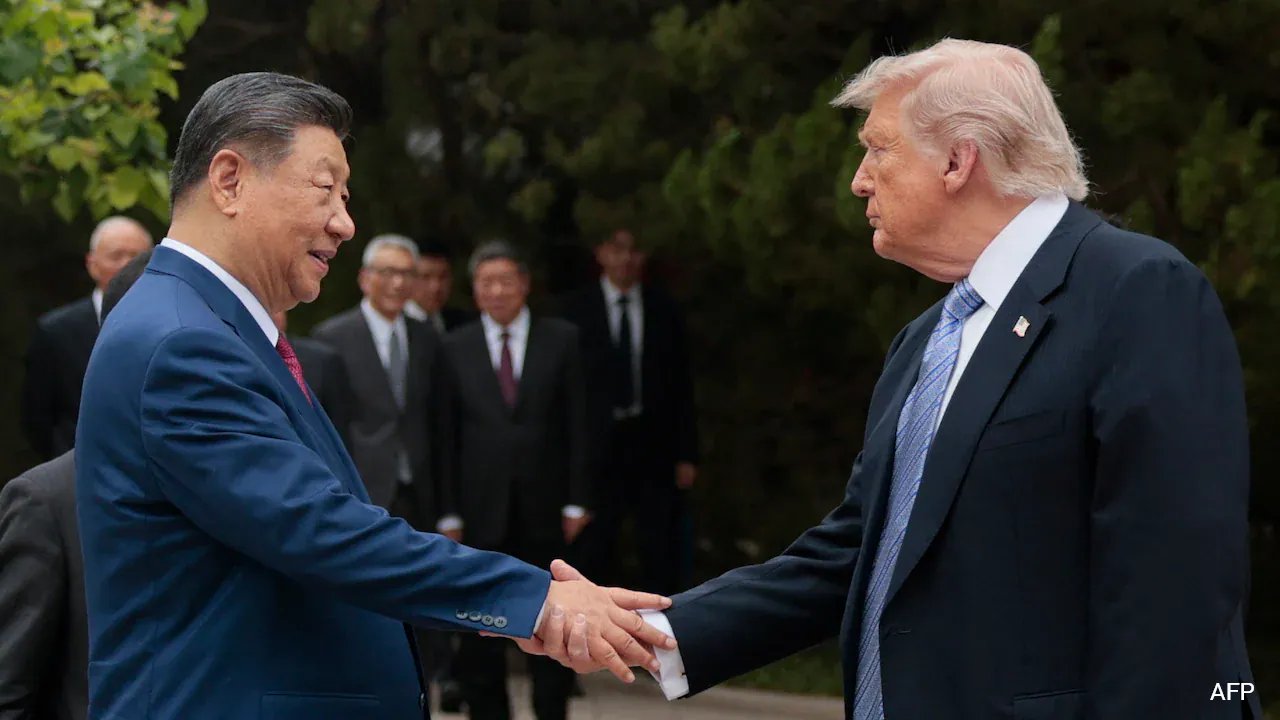
Xi Jinping landed at Reagan National Airport on 24 September 2024, stepping into a Washington that has seen his trade engine roar while President Donald Trump grapples with a 24% dip in approval ratings after the Iran conflict.
China’s global trade surplus is projected to surpass ₹1 trillion for the second consecutive year, a figure that underscores the country’s relentless export push despite domestic property woes and slowing demand.
The summit will focus on extending the June 2024 trade truce that averted a global shock, but analysts warn that Taiwan and Iran remain flashpoints. Trump’s $14 billion arms package for Taiwan—dubbed a “negotiating chip”—has already raised alarms in Tokyo and Taipei.
Vice Premier He Lifeng and Treasury Secretary Scott Bessent met in New York on Sunday, laying groundwork for potential AI guardrails and non‑sensitive product trade. Yet, Xi’s objective, according to Brookings analyst Jon Czin, is simply to keep the truce alive long enough for Beijing to consolidate its gains.
The outcome will be announced in a joint statement tomorrow, which could set the course for U.S. tariffs and the next round of sanctions on Iran. For families in Seattle who rely on affordable fashion from Shein and Temu, the decision may determine whether the next wave of cheap imports continues.
The summit underscores a shift toward transactional ties, with Wu Xinbo of Fudan noting that U.S. policy on Taiwan could tip the balance. Meanwhile, the U.S. Congress is slated to vote on a new trade bill next Monday.