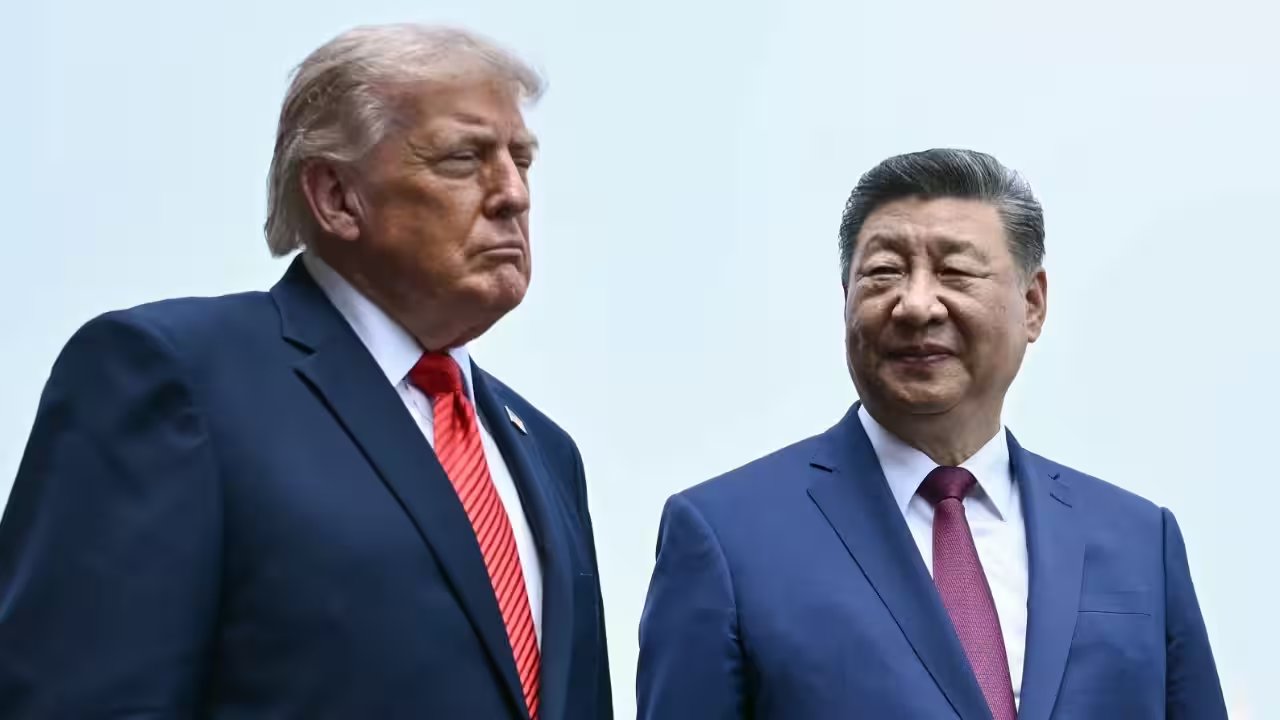
Trump held off on the $14bn arms package—missiles, anti‑drone systems, and air‑defence gear—just days before the Washington summit with Xi Jinping. The decision follows Beijing’s insistence that any sale be stalled while Washington negotiates on broader issues.
Xi is expected to press Trump to keep the deal on hold, viewing the package as a potential bargaining chip. Beijing’s claim that Taiwan is part of China fuels its opposition to U.S. arms sales, and the Chinese leader warned that mishandling the issue could damage U.S.-China ties.
Taiwan’s president, Lai Ching‑te, has criticized the delay, urging higher defense spend and new U.S. weapons. Former U.S. National Security Council China director Ryan Hass warned that Beijing might use a prolonged delay to strengthen its own military posture faster than Taiwan can acquire new capabilities.
Trump has framed the sale as a leverage point in talks with China, a strategy that diverged from his first term when he approved roughly $18bn in arms for Taiwan. The administration has also minimized public references to Taiwan, with defense secretary Pete Hegseth avoiding the island in major speeches.
The pause could trigger Beijing to tighten rare‑earth export restrictions or even threaten to skip the G20 summit in Miami that Trump will host. The U.S. is now weighing the cost of a delayed sale against the political fallout of a potentially strained summit.
In the meantime, a Taiwanese convoy of soldiers has been training with U.S. advisers during the annual Han Kuang exercises, a sign that the island’s defense forces are preparing for a scenario in which the sale remains off the table. As the summit approaches, the fate of the $14bn package hangs in the balance, with Washington poised to decide whether to use it as a diplomatic lever or to keep it on hold for the sake of summit harmony.