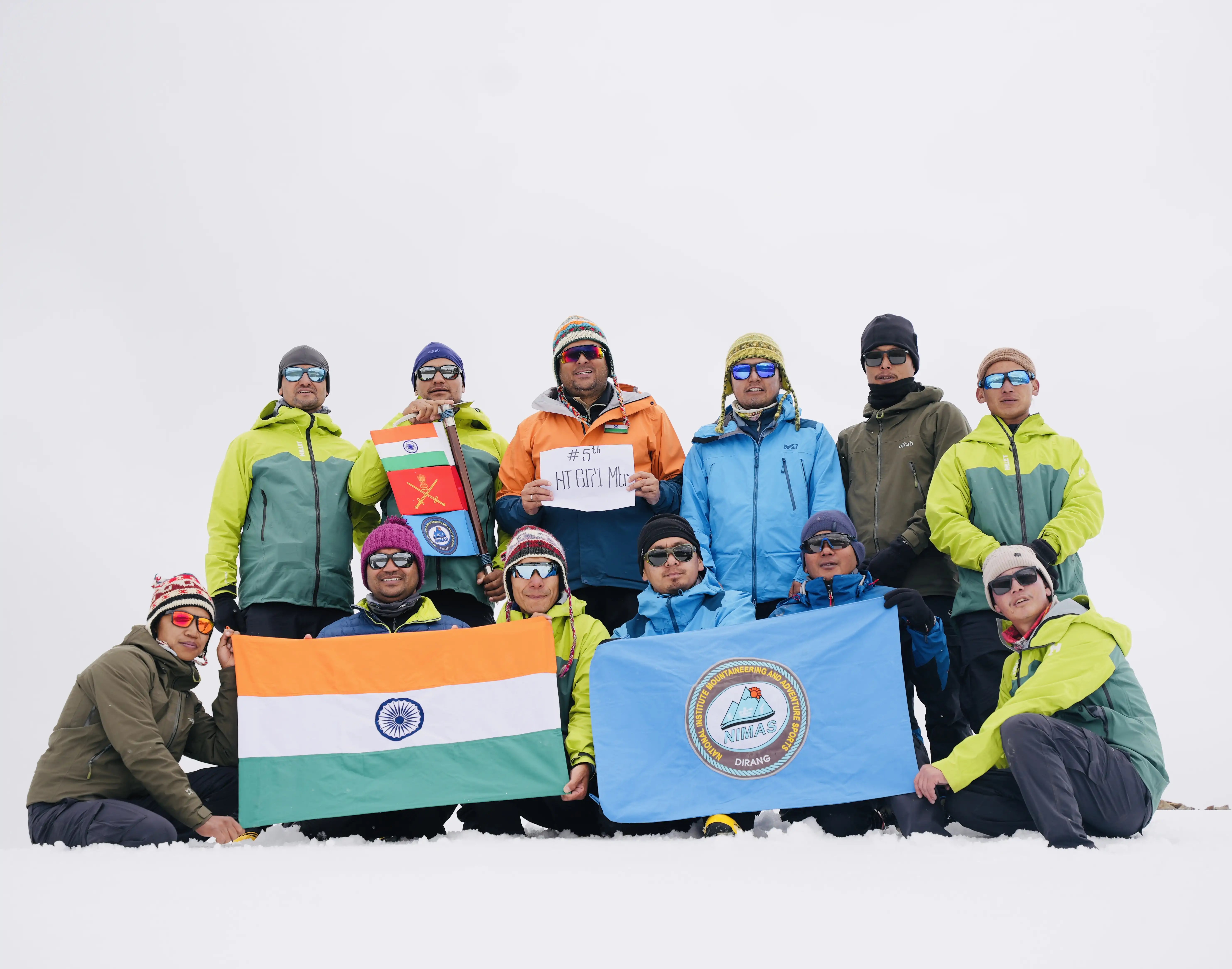
Defence Minister Rajnath Singh stood in the New Delhi courtyard, watching the 20 climbers walk through the gates with their gear still dusted with high-altitude snow. It was Friday, and the room filled with a mix of military precision and raw, post-expedition exhaustion. Singh didn't offer platitudes. He pointed to the specific challenges of the terrain and called the feat a demonstration of India's technical mastery in high-altitude environments.
The numbers behind the climb are staggering. In just 23 days, the team—led by Colonel Ranveer Singh Jamwal—scaled 20 peaks that had never been summited before. These weren't easy climbs. Every single summit sat above the 6,000-metre mark, in the rugged, wind-scoured zones of the Chamser-Lungser, Gyama Nala, and Chokula areas of the Ladakh Range. For context, most commercial expeditions take weeks to prepare for a single 6,000-metre peak. This team did twenty.
Col Jamwal’s team didn’t just climb; they mapped. The expedition serves as a tactical and adventurous survey of these remote frontiers, areas that remain largely unexplored in official records. Defence Secretary Rajesh Kumar Singh, present at the ceremony, noted that such missions do more than satisfy curiosity. They inspire a generation of young mountaineers and reinforce the Ministry of Defence’s role in pushing the boundaries of what’s possible on the Indian frontier.
The flag-in ceremony isn't just a formality. It’s the official closure of a mission that required months of planning and physical endurance. As the team handed over their reports and samples, the focus shifts to how the Ministry of Defence will integrate these findings into future adventure and exploration programs. The next step? More teams. The precedent is set.