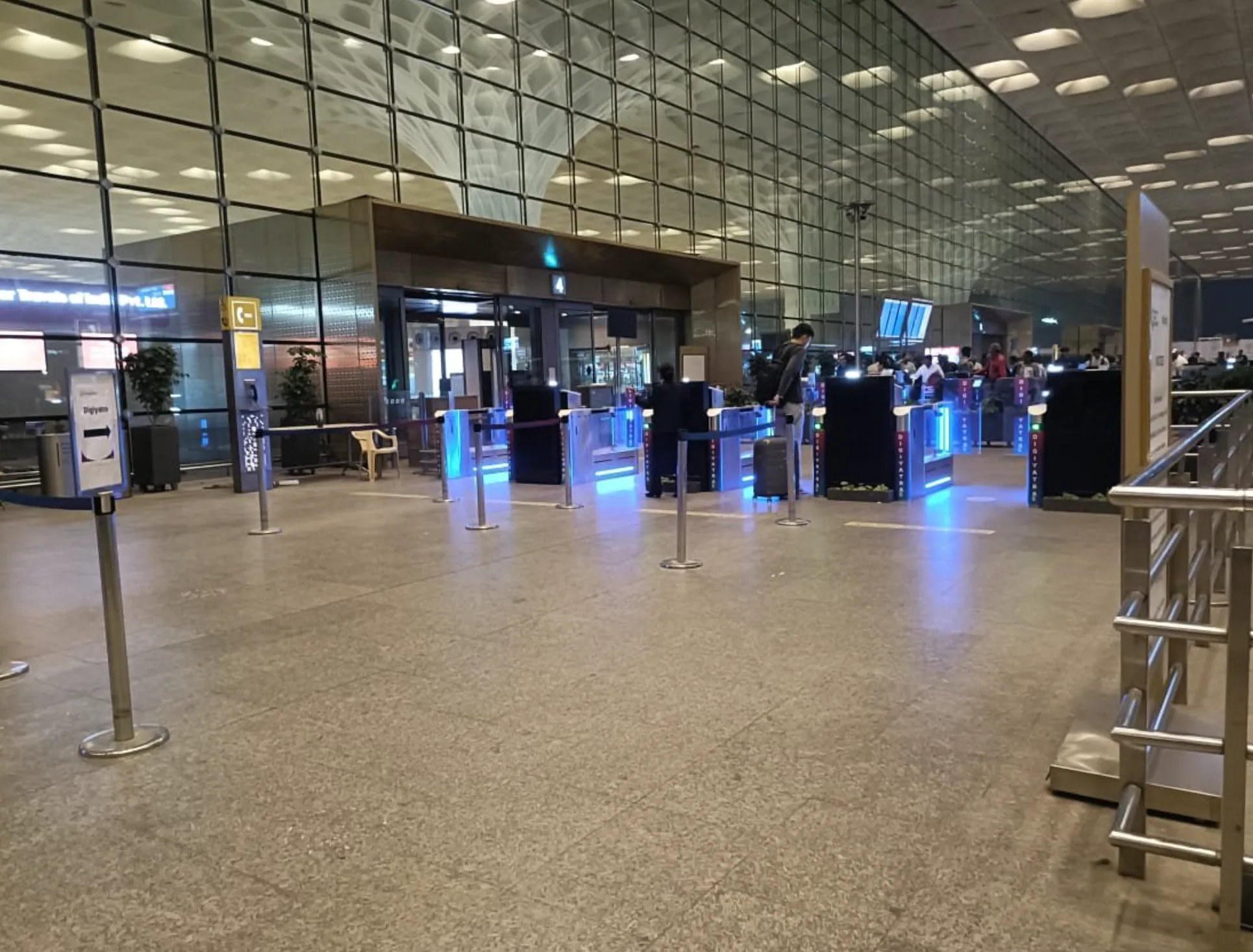
Adani Airport Holdings Limited (AAHL) started the demolition of the North Section of Terminal 1B at Mumbai International Airport (MIAL) on 12 January 2027, a move that will temporarily de‑operate 5 million passengers per annum (mppa) and shift them to Navi Mumbai International Airport (NMI). The phased demolition follows a fire incident at T1 earlier this year and safety audits that flagged the 60‑year‑old structure as hazardous.
Arun Bansal, CEO of AAHL, told reporters that “91% of Mumbai Airport’s traffic will remain unaffected as we undertake the urgent repairs.” The transition to NMI is described as a temporary solution; the company will provide airlines with transport support and ground‑handling services to minimise passenger inconvenience.
The demolition covers roughly one‑third of Terminal 1’s capacity, which currently handles 15 mppa. Once completed, the redevelopment will boost Terminal 1’s throughput to 20 mppa—a 33% increase that is expected to alleviate congestion on the world’s busiest single‑runway airport.
Airlines have been consulted since 2020. While some carriers have expressed concerns over operational disruptions, AAHL insists that passenger safety takes precedence. “Any further delay could adversely impact millions of travellers,” Bansal said.
NMI, already operational, will see a surge in traffic. The Maharashtra State Road Transport Corporation will launch e‑Shivai buses to Pune, Borivali, and Dadar East, while additional taxi and shuttle options are slated to connect Mumbai, Navi Mumbai, and Pune. The aim is to keep the temporary shift seamless for passengers.
Aviation veteran Sanjiv Kapoor, acting CEO of flyadeal, warned that Mumbai’s limited runway capacity hampers economic growth. He praised the redevelopment as a necessary step toward expanding the city’s aviation footprint.
The redevelopment will be phased, with completion slated for late 2028. Until then, AAHL will monitor safety metrics and coordinate with airlines to ensure minimal disruption to Mumbai’s 55 mppa of annual traffic.