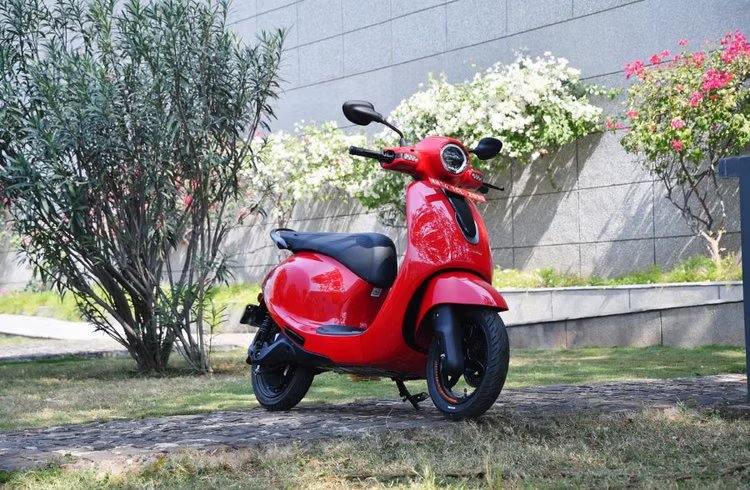
Bajaj Auto is gearing up to churn out roughly 80,000 Chetak electric scooters a month by the fourth quarter of FY27, up from the current 62,000‑plus. The company had been forced to trim its output to 40,000 a month while its capacity sat at 60,000, losing about 20,000 units during supply‑chain hiccups. Now, full capacity is back on the rails, and they’re working to smooth out lingering bottlenecks in the January‑March 2027 quarter to hit that 80,000‑a‑month target.
For anyone eyeing a Chetak, this means the long‑standing wait will shrink, and you’re more likely to snag a scooter on the first day it hits the showroom. That’s a relief for buyers who have had to juggle second‑hand options or wait months for a new model.
Electric scooters already make up about a quarter of India’s scooter sales, and industry chatter says that could jump to 50% in the next three to five years. That tells buyers that the market is primed for a surge in electric‑scooter choices, with the Chetak poised to capture a good share. States differ: Odisha sees 40% electric sales, Maharashtra 30‑35%, while Gujarat is still at 10‑12%. The spread shows that the Chetak’s availability could tip the balance in many tier‑2 and tier‑3 cities.
Beyond scooters, Bajaj is also looking for a sixth plant to support its premium motorcycle line and internal‑combustion engines. Though no investment size or site has been announced, the company is weighing several state proposals. That signals a broader push into electrification, and a move that could affect pricing and supply across the board.
Keep an eye on the Q4 FY27 launch window for the fully debottlenecked production, and see if the new plant opens a few months later. Those dates will decide if the Chetak stays in demand, if pricing stays stable, and how the market reacts to the faster supply pipeline.