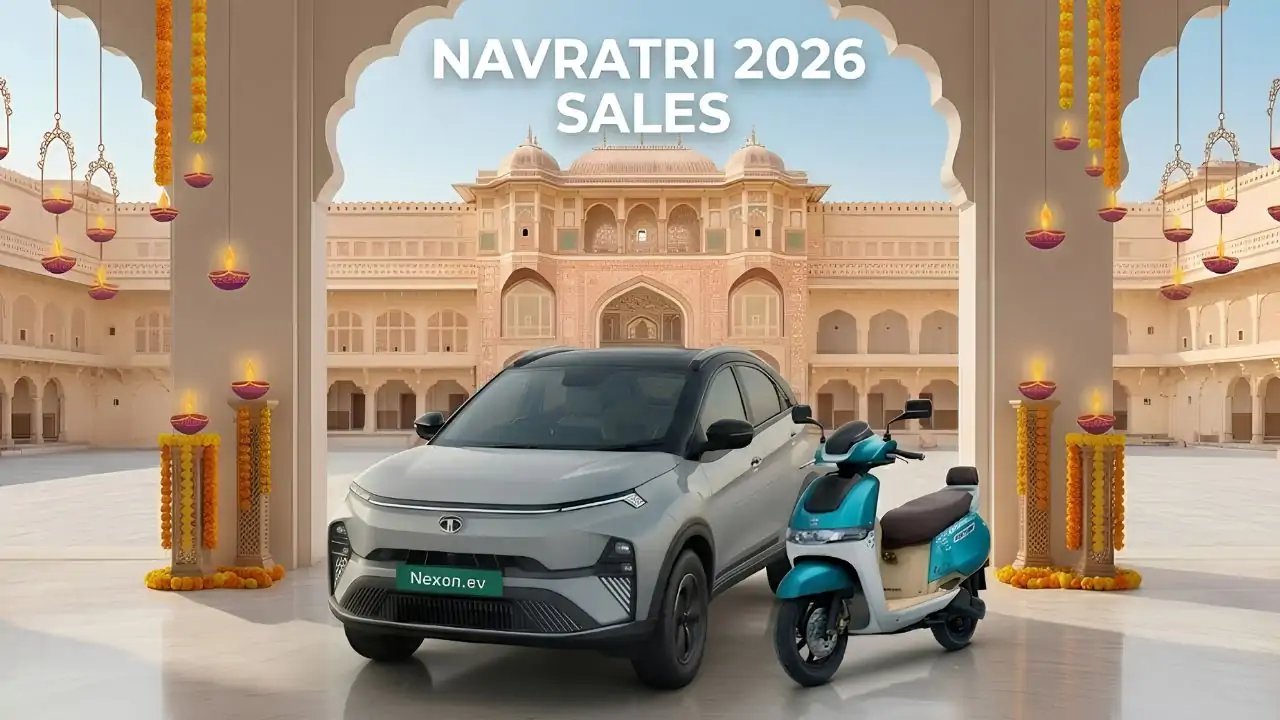
Navratri 2026 delivered 1.17 lakh electric vehicles, up 26.78% from the 92,628 units sold in the same period last year. For the buyer, that means a broader range of models hitting showrooms during the festival season, and a clearer sign that EVs are no longer a niche.
The jump is even more striking when you look back two years: 2024’s tally was only 64,153 EVs, so the 2026 surge represents an 83% increase over that baseline. Two‑wheelers led the charge with 75,758 units, a 33% YoY rise, while three‑wheelers added 28,086 units, up 10%. Passenger cars climbed 12,305 units, 27% higher, and commercial EVs doubled to 1,288 units, a 96% jump.
Overall vehicle retail fell 6.5% in 2026, but the EV segment grew, showing that buyers are pivoting toward cleaner options even as they trim on traditional cars and trucks. The strong EV performance outpaces the 1.83 lakh passenger cars sold, which actually fell 21.9%. For enthusiasts, the data means that the next time you head to a showroom, you’ll likely find a newer battery pack and a wider choice of charging infrastructure.
The uptick also reflects the cumulative effect of policy nudges: lower GST on EVs, reduced registration duties, and growing charging networks. While the article doesn’t detail specific incentives, the numbers imply that buyers are responding to the cost‑benefit calculus that EV ownership has become increasingly favorable.
Looking ahead, manufacturers are already teasing new models for the 2027 Navratri cycle. With the EV segment continuing to outpace traditional segments, the next festive season could see even more aggressive pricing and feature upgrades, giving buyers more bang for their buck.