The Tata Safari EV is set to arrive in India with a starting price of ₹25 lakh, a 627‑km WLTP range, and a spacious three‑row cabin that can seat up to seven. But the real selling point is that it brings the same family‑friendly layout of the gasoline Safari into the electric arena, and it does so at a price that sits comfortably below the luxury GLC Electric.
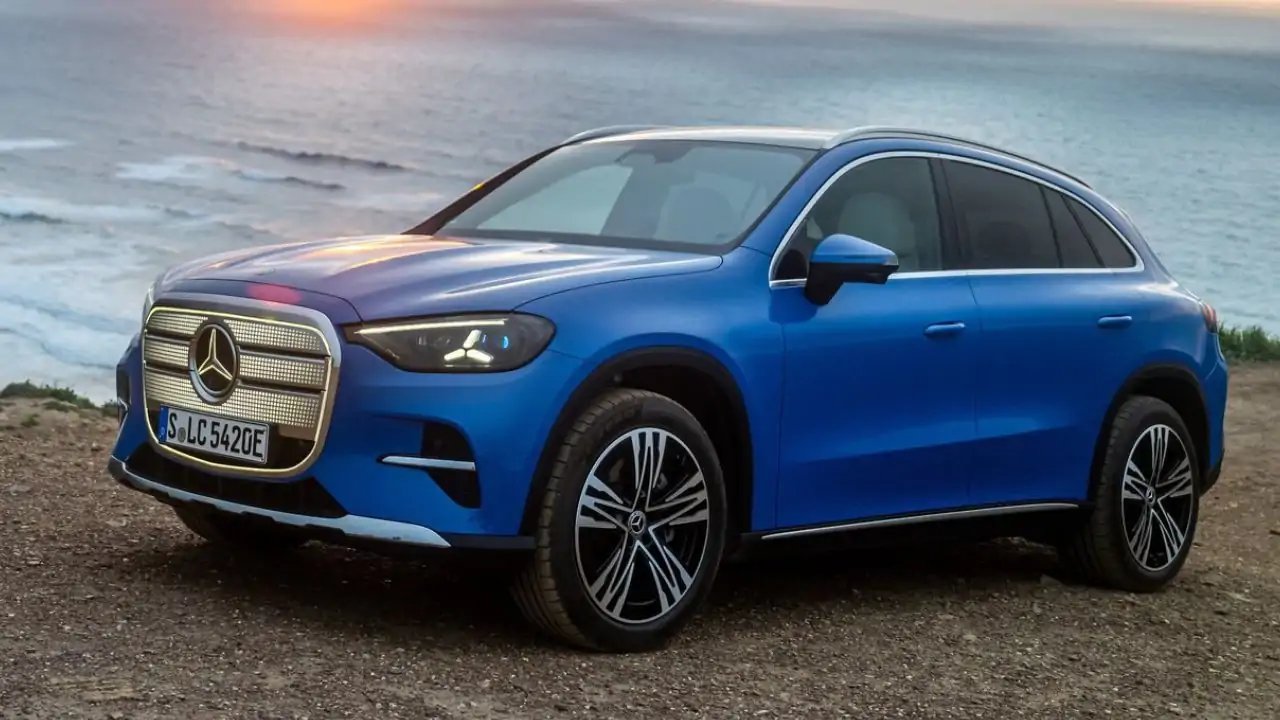
When you compare it to the Mercedes‑Benz GLC Electric, which will launch in November 2026 with a 715‑km range and an 80‑90 lakh price tag, the Safari offers a more economical entry for mainstream buyers. And the Hyundai HE1i Compact, expected to hit the market soon with a 10‑15 lakh price and a 42‑49 kWh battery, targets the compact segment, while the Honda 0 Alpha, slated for December 2026, is still a mystery in terms of range and cost.
Under the hood, the Safari will use Tata’s Acti.ev+ platform, the same architecture that powers the Harrier EV. It will come in 65‑kWh and 75‑kWh battery packs, available in both rear‑wheel and all‑wheel drive. The 75‑kWh version should push the range to the 627‑km figure, while the 65‑kWh model offers a slightly shorter but still competitive mileage.
From a policy angle, the launch timing is no accident. The Indian government’s EV mandate and the reduction of import duties on batteries mean that the Safari’s price will stay attractive. Buyers can also expect a 5‑year warranty on the battery and a 3‑year free servicing cycle, making the total cost of ownership more predictable.
The vehicle is slated to roll out across major metros in late 2026, with initial showrooms in Mumbai, Delhi, Bengaluru and Chennai. Keep an eye on the official launch event in December, as Tata will likely unveil the final trim levels and any government incentives that could shave a few lakhs off the sticker price.