Uttarakhand has become the epicenter of India’s aviation crisis, accounting for 21 of the 30 helicopter deaths recorded nationwide between 2020 and 2025. MoS for Civil Aviation Murlidhar Mohol disclosed this grim arithmetic to the Rajya Sabha, highlighting that the hill state logged seven of the 12 major crashes in the country during that period. The data underscores a persistent safety gap that no amount of local caution has managed to close.
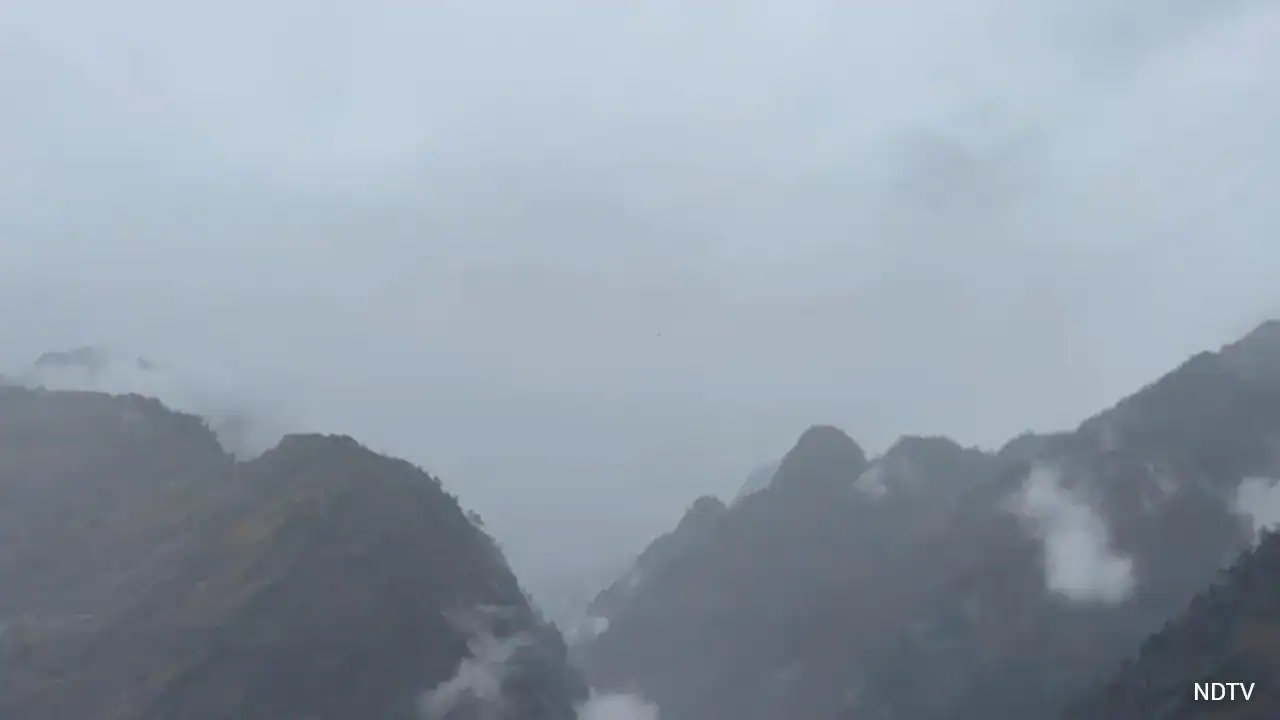
The latest tragedy strikes a nerve that is already raw. On Friday, a helicopter carrying six men crashed near Chayee village, close to Joshimath, while returning from Badrinath to Dehradun. Chief Minister Pushkar Dhami confirmed the incident on X, stating that the district administration, disaster management department, and SDRF are conducting a joint rescue operation. The victims are identified as Prathapa, Arun, Shankar Gowda, Sudheer K, HS Natraja, and pilot Capt Himanshu.
This is not an isolated incident but a pattern that has haunted the state for a decade. Between 2016 and 2026, Uttarakhand has seen at least 12 distinct helicopter incidents, including five major fatal crashes. The deadliest occurred in October 2022 when a pilgrim-bound helicopter slammed into a hill near Kedarnath, killing all seven on board. Last year alone, 13 lives were lost in two separate crashes on May 8 and June 15, part of five mishaps on the yatra route in just 45 days.
The state government moved swiftly to contain the fallout. In a precautionary measure, the entire fleet of Trans Bharat Aviation Pvt Ltd has been grounded. Aviation experts have long warned that without stricter regulations, better high-altitude weather forecasting, and caps on operations during adverse conditions, the rising number of pilgrims will only increase the frequency of such disasters. The skies over the Himalayas remain a deadly burden, and the next step is a rigorous systemic audit of pilot training and operational protocols.