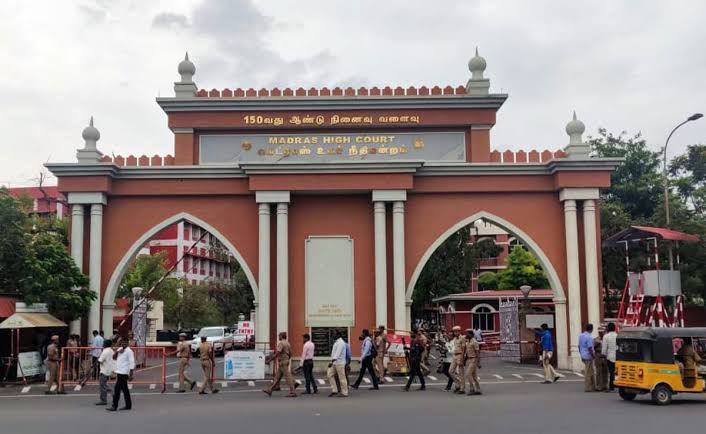
Chief Justice Sushrut Arvind Dharmadhikari and Justice G Arul Murugan, in a Division Bench, directed the Tamil Nadu Police’s Cyber Crime Division to actively monitor digital platforms for criminal intimidation of sitting judges. The bench also barred the police from granting permission for public gatherings that personally target judges and ordered immediate intervention if an approved event turns hostile.
The order follows protests that erupted after the Madurai Bench’s June 25, 2026 judgment struck down a 3.5% reservation benefit for Muslims who converted to Islam as unconstitutional. Tamil Nadu Thowheed Jamaath and the Tamil Nadu Muslim Munnetra Kazhagam organized rallies across the state, with posters and social‑media videos accusing the judge who delivered the verdict of bias and using caste‑based slurs.
The bench underscored that judicial independence is part of the Constitution’s basic structure and that personal attacks on judges undermine the legal system. It rejected a blanket ban on all protests about judicial rulings, arguing that such a sweeping order would violate legitimate democratic expression, but stressed that the state must prevent spaces—both physical and digital—from being weaponised against judges.
Police have been instructed to investigate two FIRs related to the protests and to act swiftly on any cognisable offences. The court set a 30‑day window for the completion of investigations and will review compliance in a follow‑up hearing scheduled for July 30, 2026. A 45‑year‑old shopkeeper in Madurai, who was targeted in the videos, told reporters he feared for his safety after the judge’s name appeared on every screen.