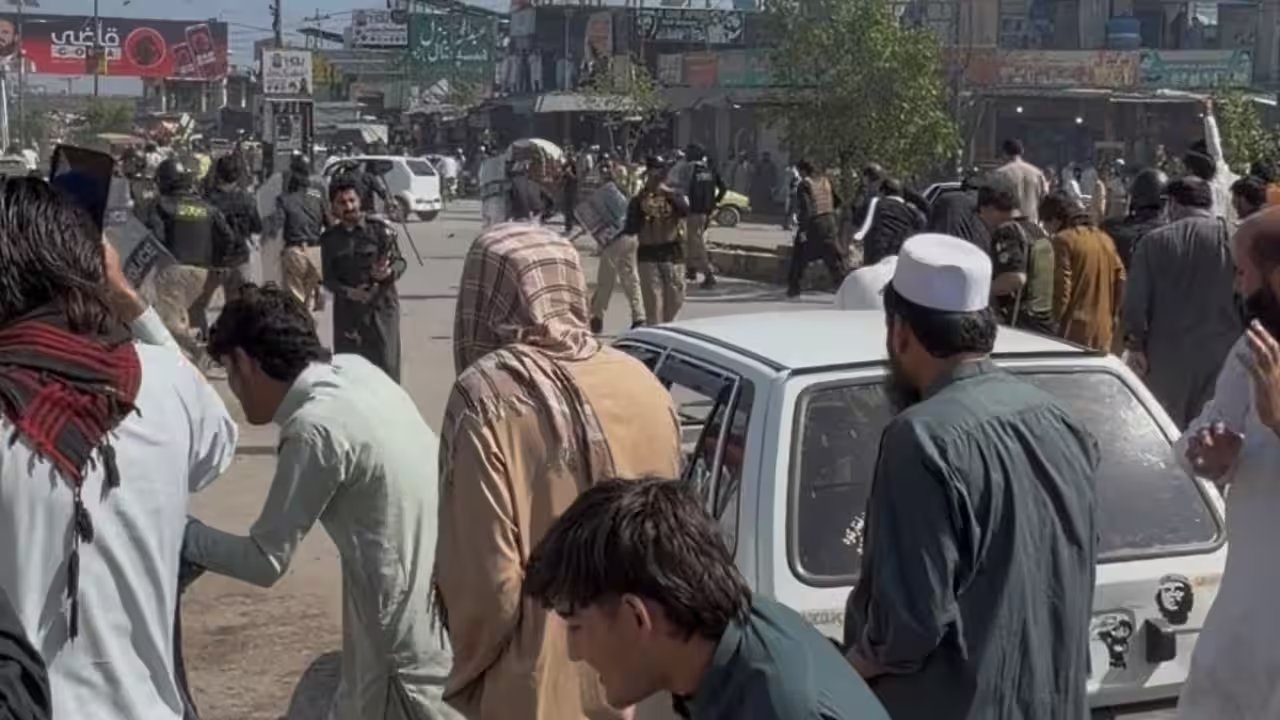
Afghan nationals living in Khyber Pakhtunkhwa describe a nightly siege by Pakistani police, with midnight raids on homes and arbitrary detentions becoming routine since Islamabad declared a state of emergency in the province. The crackdown has intensified under the military-backed Shehbaz Sharif government, which imposed governor's rule to suppress the political stronghold of Imran Khan's PTI party. For Afghan returnees, the political purge has morphed into a humanitarian crisis, with reports citing financial extortion and restrictions on movement as the new normal.
Mohammad Rahman, a returnee who moved from Punjab to KP during Imran Khan’s tenure seeking better livelihoods, told TOLO News that his family now refuses to step outside. "We are afraid," Rahman said. Law enforcement officers allegedly use flimsy pretexts to detain individuals, demanding bribes for their release. This pattern of harassment has turned daily life into a minefield for refugees who legally reside in the border province.
The violence is not limited to homes. Sohail Khan, another deportee, reported that authorities conduct night raids on residential properties while targeting refugees in local markets during the day to extract money. Displaced families recounted being picked up from workplaces, subjected to humiliating treatment, and subsequently deported. These testimonies align with a broader trend of state-sanctioned pressure on the Afghan community, coinciding with the political marginalization of PTI in the region.
Despite the harsh conditions, the flow of returnees shows no sign of slowing. Nearly 27,000 Afghan refugees have crossed back into Afghanistan through the Torkham border terminal over the past three months. Officials at the Omari Temporary Settlement near Torkham maintain that 12 dedicated support committees are in place to manage the influx, yet the strain on resources is palpable. The Taliban-led ministry of urban development and housing claims to have distributed over 74,000 residential plots across 22 provinces, with 37 master development plans approved to facilitate reintegration.
The situation remains volatile as the emergency rule persists in KP. While Pakistan continues its aggressive repatriation drive, the human cost is mounting. International observers are watching closely as the next wave of deportations proceeds, with no immediate diplomatic intervention expected to halt the police operations in the border areas.