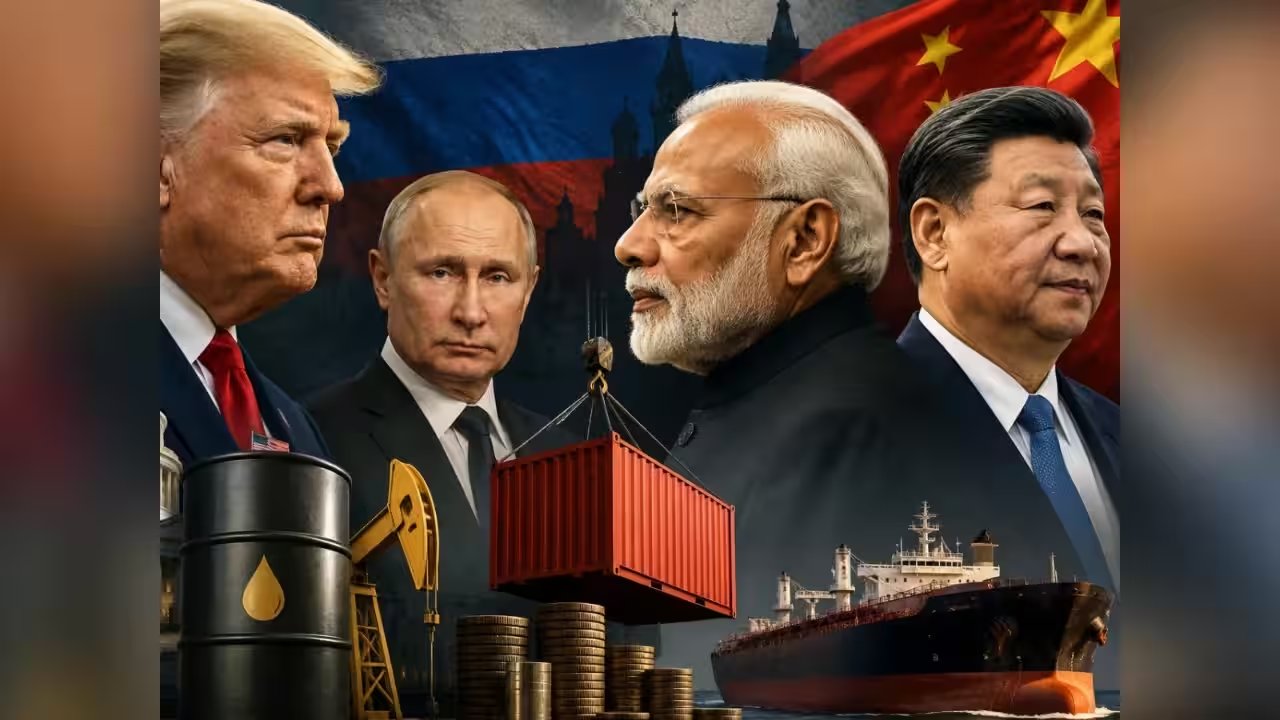
The Lindsey O. Graham Sanctioning Russia and Iran Act of 2026, approved by the House 262‑159 and the Senate 86‑11, grants President Trump the power to levy up to 100 percent tariffs on the five largest purchasers of Russian petroleum or natural gas. It also expands existing sanctions on Russia’s energy and defence sectors and targets vessels that form the so‑called “shadow fleet” that keeps Russian oil flowing despite Western restrictions.
India’s Ministry of External Affairs said on Thursday that the bill could threaten the country’s energy security, which feeds 1.4 billion people. The ministry noted that India has already shifted 88 percent of its crude oil imports from traditional Gulf suppliers to Russian crude, which accounted for $7.27 billion of the $14.21 billion total in July 2026. A Chennai‑based refinery that currently sources 30 percent of its crude from Russia will need to secure alternative supplies within weeks.
Russia’s spokesman Dmitry Peskov condemned the bill as “unfriendly actions” that would complicate efforts to broker a peace settlement in Ukraine. He added that Moscow would monitor the legislation closely, warning that further U.S. sanctions could derail diplomatic progress.
China, which also imports large volumes of Russian oil, rejected the U.S. move as an overreach of “long‑arm jurisdiction.” Beijing said that normal trade and economic cooperation between China and other countries should not be co‑opted by external coercion, and it pledged to continue its existing supply agreements with Russia.
President Trump is expected to sign the bill within the next week, after which India will likely seek tariff exemptions through diplomatic channels and coordinate with industry bodies to mitigate supply disruptions. The U.S. Treasury will also determine the tariff rates and implementation timetable, setting the stage for a potential trade clash that could ripple across global energy markets.