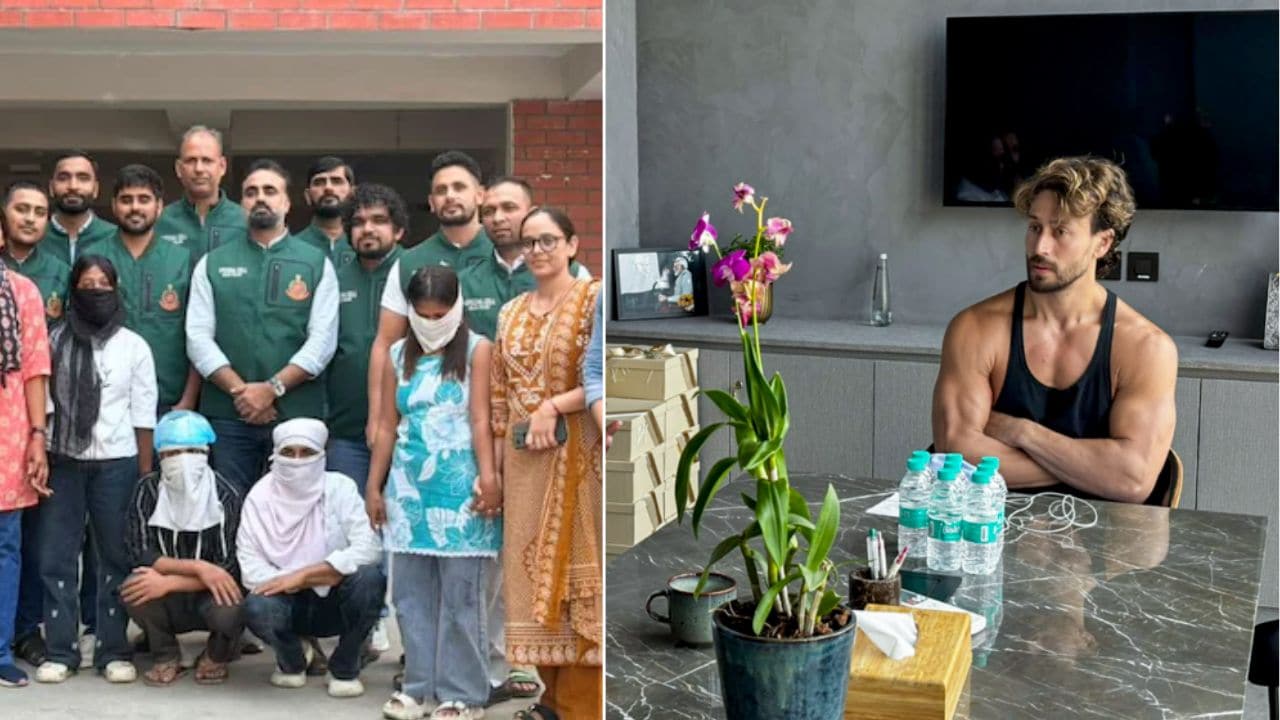
Mumbai Police have moved to charge all 10 suspects arrested in the Tiger Shroff shooting case under the stringent Maharashtra Control of Organised Crime Act, or MCOCA. The Anti-Extortion Cell (AEC) of the Mumbai Crime Branch confirmed they are currently gathering evidence and completing necessary documentation to invoke the law, which carries significantly harsher penalties than standard murder charges. This legal escalation marks a major shift in how the force is handling the high-profile attack.
The investigation reveals a calculated attempt by the Lawrence Bishnoi gang to target a high-profile figure. Anil Pandit, a gang member, claimed responsibility for the incident. Police sources disclosed that the shooters originally intended to kill another celebrity but were deterred by heavy security. They pivoted to Shroff after monitoring fan-reels that indicated the 36-year-old actor lacked police protection. On Sunday evening, five to six rounds were fired at his car in Juhu. Shroff escaped unhurt, but his driver and a bystander sustained injuries. A motorcycle used in the getaway was found abandoned in Andheri.
The arrests span multiple states, highlighting the gang's operational reach. Three shooters were captured in Kota, Rajasthan, while attempting to flee to Nepal via Delhi. Among the 10 detained are two women allegedly responsible for supplying the weapons. The AEC is tracing the full network involved in the planning and execution of the hit.
Shroff’s team has issued a stern warning against the spread of fabricated stories and AI-generated videos falsely attributed to the actor. They have urged media houses and social media platforms to verify information rigorously before publication. The next step for the AEC is the finalization of the MCOCA charge sheet, which will determine the speed and severity of the trial proceedings.