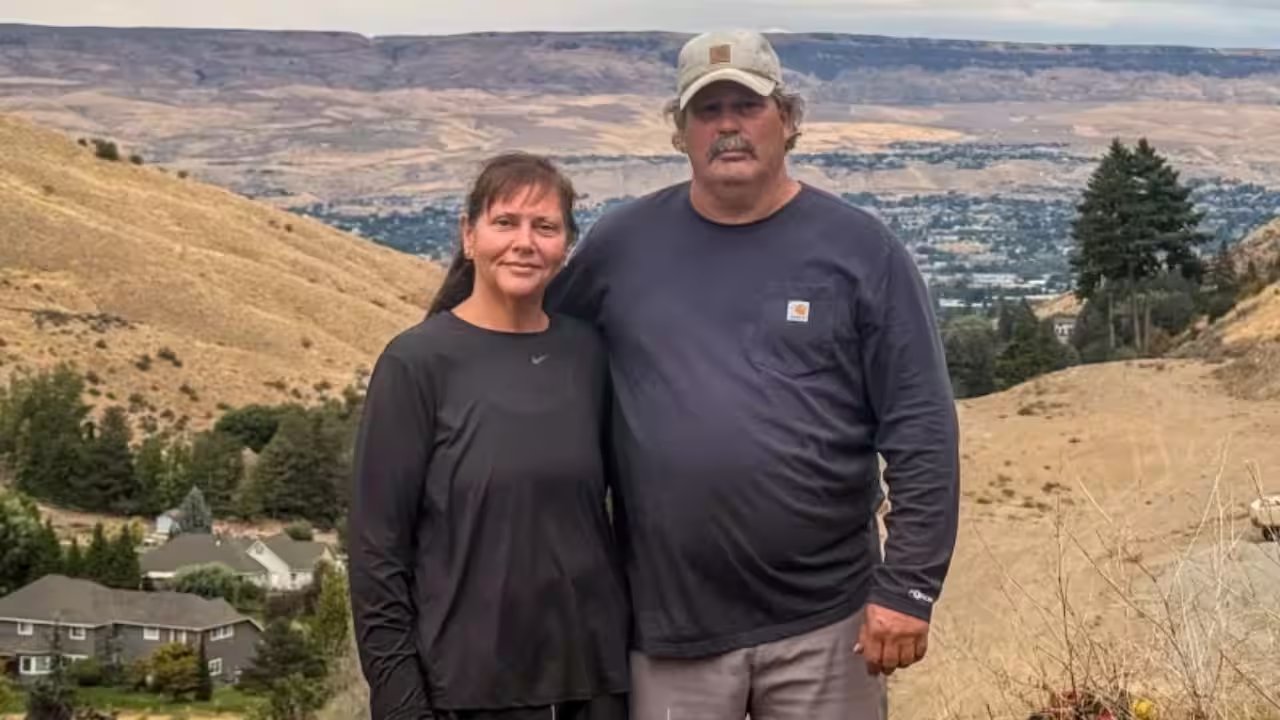
In 2021, Tyler Chambers bought a 66‑acre plot in Chelan County, hoping to build a family home and orchard. He invested nearly $300 000 in permits, wildlife studies and geotechnical surveys before the county’s green‑light. The land was zoned residential, had power, PUD water, fibre and paved access, and neighbours had already constructed houses nearby.
The county’s approval turned into a labyrinth of requests. After a neighbourhood complaint, a stop‑work order was issued and the county asked for additional storm‑water analysis, spotted‑owl surveys, golden‑eagle assessments, erosion studies and a second geotechnical drilling. Each new report cost Chambers thousands more, turning the original $300 000 outlay into an escalating bill.
State Environmental Policy Act scrutiny pushed the case beyond local jurisdiction. Washington law normally exempts single‑family projects from SEPA, but the county argued the site’s habitat conditions required mitigation. The result was an order to place 44.2 acres—roughly two‑thirds of the parcel—under a permanent conservation deed restriction.
Chambers says the demand was unprecedented for a single‑home developer and that neighbours never faced similar easements. He and his broker Jeff Hallman have begun preparing an appeal that will be heard on June 15, 2024. The outcome could set a new precedent for how rural development is regulated in Washington.