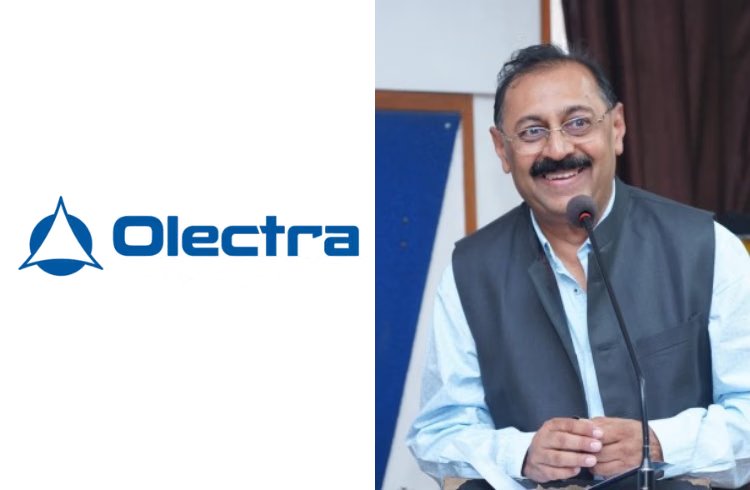
The first paragraph opens with the headline news—Olectra Greentech’s new VP of Innovation and Strategic Partnerships, KC Vora, takes the helm on 1 Oct 2026. His arrival comes as the company ramps up bus production in Hyderabad, positioning itself to compete in India’s fast‑growing electric transport sector.
Vora’s résumé reads like a résumé for the future of public transport. A former Senior Deputy Director at the Automotive Research Association of India, he’s crossed paths with the regulatory arms of the industry, academia and power‑train developers. His mandate is clear: shepherd technology development, protect intellectual property, and lock in partnerships that will get a new generation of fuel‑cell buses from prototype to road.
Partnerships are the lifeblood of any new vehicle tech, and Vora will be the bridge to bodies like SIAM, ACMA, ARAI, ICAT, GARC and NATRAX. These agencies will provide the testing, certification and standards that a fuel‑cell bus must meet before it can hit Indian roads. With a robust IPR culture, Olectra can keep its innovations secure while sharing the right parts of its tech stack with OEMs and suppliers.
The bus market is crowded. Tata Motors has its Tata Ultra‑Eco, Ashok Leyland is pushing its X 14 electric, and Volvo’s 770B is already in pilot fleets. Olectra’s focus on fuel‑cell technology could carve out a niche, especially in cities looking for zero‑emission, zero‑noise buses for high‑density corridors. The company’s move signals that it is not content to ride the pure‑electric wave alone.
For fleet operators, the practical takeaway is that more options are on the way. Olectra’s Hyderabad plant is slated to ramp up production by late 2027, with a first batch of buses expected in 2028. The rollout will likely roll out across major metros, starting with Delhi and Mumbai, before expanding nationwide. Keep an eye on the next round of pilot contracts—those will tell if the fuel‑cell promise is worth the investment.