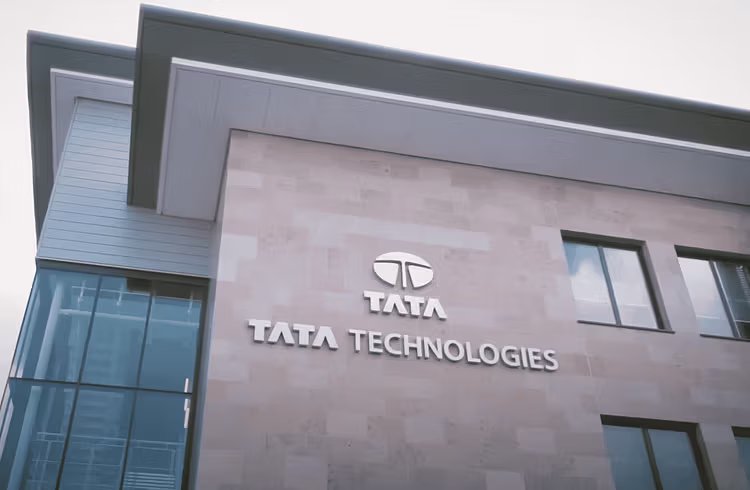
The Indian engineering house has just landed a $138 million contract to build two European luxury cars from concept to launch in a little over two years.
The agreement, announced by Tata Technologies CEO Warren Harris during a Q2 FY27 earnings call, will see the company take the reins on every aspect of the projects – from design and chassis development to final production tooling.
In practice, that means the cars will be conceived in India, with Indian engineers working closely with the European client’s design teams. The end‑to‑end partnership is a clear break from the old model where Indian firms handled only isolated tasks like crash testing or component integration.
The move mirrors a larger trend: premium European OEMs are trimming internal R&D budgets and outsourcing to specialist partners to stay competitive against Chinese manufacturers that have mastered rapid, low‑cost production. Volkswagen, a primary client of Tata’s newly acquired ES‑Tec unit, is already cutting 100,000 jobs by 2030 and slashing domestic budgets, a shift that Tata’s contract helps offset.
For Indian buyers, the implications are two‑fold. First, the cars will come from a brand that prides itself on quality, but with a production pipeline that is leaner and faster, potentially keeping retail prices lower. Second, the partnership gives Indian engineers a front‑row seat to the latest luxury technology, from advanced driver‑assist systems to high‑grade interiors, which could trickle into future domestic models.
The deal is also a statement to the market that India is no longer just a manufacturing hub but a full‑spectrum engineering partner. Tata Technologies’ success may lure more European OEMs to follow suit, while Indian customers may see a future where high‑end cars roll off the line with the same rigor as the domestic market.
Looking ahead, the first vehicle under this contract is slated for launch in late 2026, with production sites expected to open in Pune and Chennai. As the partnership matures, buyers should watch for pricing tiers, export policies, and how quickly the cars hit the Indian road.