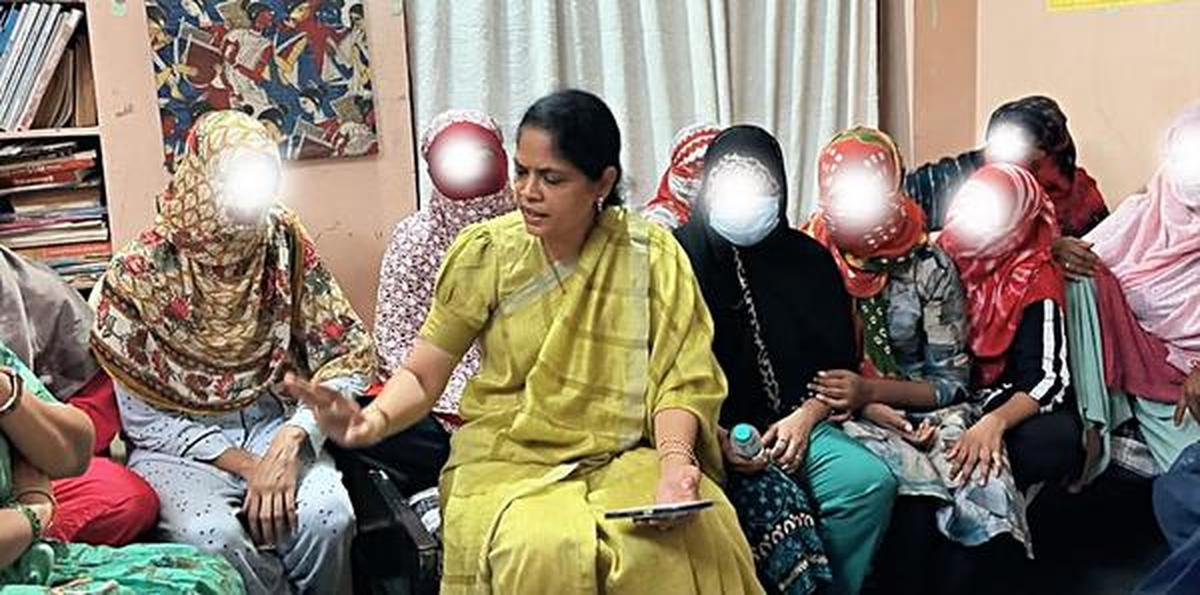
The paperwork fell apart under scrutiny.
State regulators in Hyderabad cracked down on eight Assisted Reproductive Technology (ART) centres and donor banks on Friday, November 13, demanding answers to an expanding oocyte procurement scandal. Telangana State Women’s Commission (TGSCW) Chairperson Nerella Sharada summoned the clinics after cross-referencing intake ledgers with physical patient registries. What investigators uncovered was a pattern of glaring operational discrepancies—most visibly, assertions by clinic operators that nearly nine out of ten egg donors walked into their clinics from outside Telangana and surrendered their oocytes for free.
Sharada threw out those explanations. The commission ordered clinic chiefs to appear in person, but several facilities dispatched junior clerks and lower-tier staff instead.
That tactic backfired. Sharada halted the hearing on the spot, reprimanding the representatives and securing a binding commitment that senior management will appear at the subsequent session to face direct interrogation under state oversight rules.
Clinic ledgers painted an implausible picture of commercial fertility operations. Operators claimed that roughly 90 percent of their donor pool travelled hundreds of kilometres across state lines to undergo hormonal hyperstimulation and surgical egg retrieval entirely out of goodwill, without demanding or taking a single rupee in compensation.
Medical reality suggests otherwise. Oocyte extraction demands rigorous hormonal dosing, weeks of clinic monitoring, transvaginal aspiration under anaesthesia, and tangible medical risks such as Ovarian Hyperstimulation Syndrome (OHSS). TGSCW officials made clear that masking commercial payouts behind fake voluntary consent forms shields illicit middlemen from scrutiny.
The Commission will not tolerate illegal practices that compromise women’s health, dignity and rights. We will continue the investigation in coordination with the concerned government departments to identify those responsible and ensure appropriate legal action.
| Regulatory Review Parameter | Inquiry Finding & Official Metric |
|---|---|
| Centres Summoned by TGSCW | 8 ART centres and commercial oocyte banks |
| Clinics Raided by Health Authorities | 27 facilities inspected across Hyderabad |
| Contested Donor Demographic Claim | 90% asserted as out-of-state voluntary donors |
| Financial Consideration Logged by Clinics | Claimed zero remuneration or compensation |
| Presiding Investigating Authority | TGSCW Chairperson Nerella Sharada |
| Departmental Oversight Lead |
The inquiry convened alongside Commissioner of Health and Family Welfare Sangeetha Satyanarayana, who briefed the panel on broader enforcement sweeps. State enforcement teams have already raided 27 ART facilities across Hyderabad, cataloguing systematic non-compliance, missing biometric verification logs, and unauthorized cryopreservation protocols.
Yet existing statutory tools remain blunted. Discussions during the proceedings zeroed in on operational loopholes within the national Assisted Reproductive Technology Act, where weak monitoring apparatuses allow private clinics to operate without digital record synchronization between hospitals and registered donor banks.
Sharada confirmed she will take these operational findings straight to the top of the state executive. She scheduled meetings with Health Minister C. Damodar Raja Narasimha and Chief Minister A. Revanth Reddy to demand comprehensive statutory amendments, mandatory digital verification systems, and severe criminal liability for clinic executives who conceal commercial procurement chains.
More summonses are on the way. The commission has tracked operational linkages pointing toward several other fertility centres across Hyderabad, with fresh notices prepared for dispatch as state teams finalize forensic audits of seized patient registries.
| Health & Family Welfare Commissioner Sangeetha Satyanarayana |