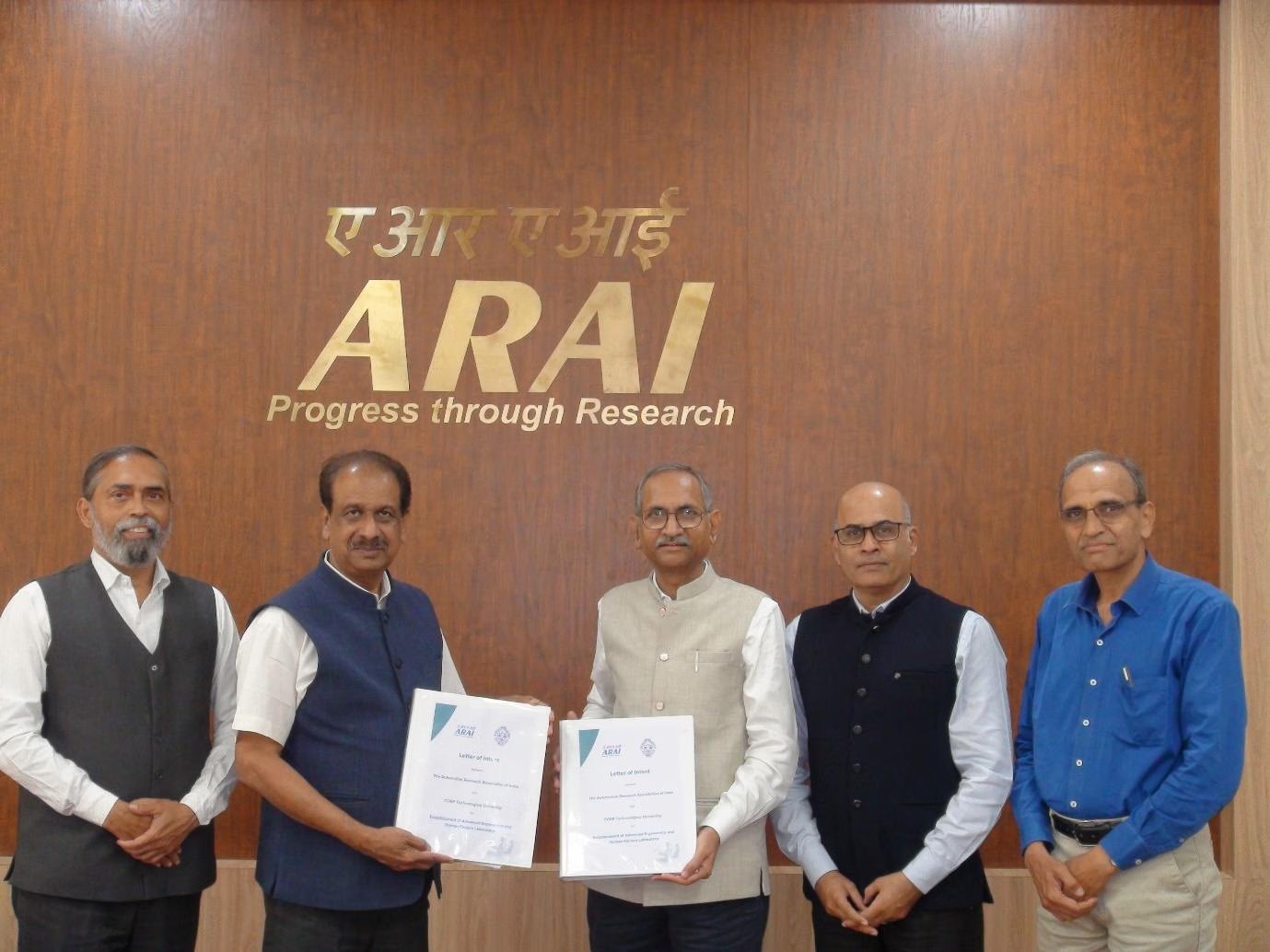
If you’re eyeing a new car, the first thing that matters is how it feels when you sit in it. A new ergonomics research hub in Pune, backed by a Rs 105 crore investment, will start testing seating, posture and visibility against Indian body types, giving manufacturers a fresh data set to fine‑tune comfort.
The centre, spread over roughly 38,000 square feet, will run in two phases. The first two to three years will focus on posture evaluation and seat‑comfort analyses, while the next four to five years will scale up to full‑capacity testing, including human‑biomechanics and field‑of‑vision studies.
Until now, most Indian vehicle ergonomics have been borrowed from European standards, which often feel off‑kilter for Indian drivers and passengers. By developing home‑grown testing methodologies, the centre will reduce that mismatch and help brands create cars that feel natural from the moment you settle into the seat.
The push also dovetails with recent EV policy changes, where manufacturers are urged to localise components and design for domestic drivers. A robust ergonomics framework could become a differentiator for EV makers in a market where comfort and usability are growing sales levers.
The facility is slated to open for operations in late 2027, with the first set of tests rolling out in early 2028. Industry insiders say the data will be released in phases, giving OEMs a clear roadmap for redesigning seats and dashboards to match Indian ergonomics.
For buyers, the practical takeaway is a future lineup of cars that fit Indian bodies better, with seats that reduce fatigue, better visibility, and an overall driving feel that feels right from the first test drive.