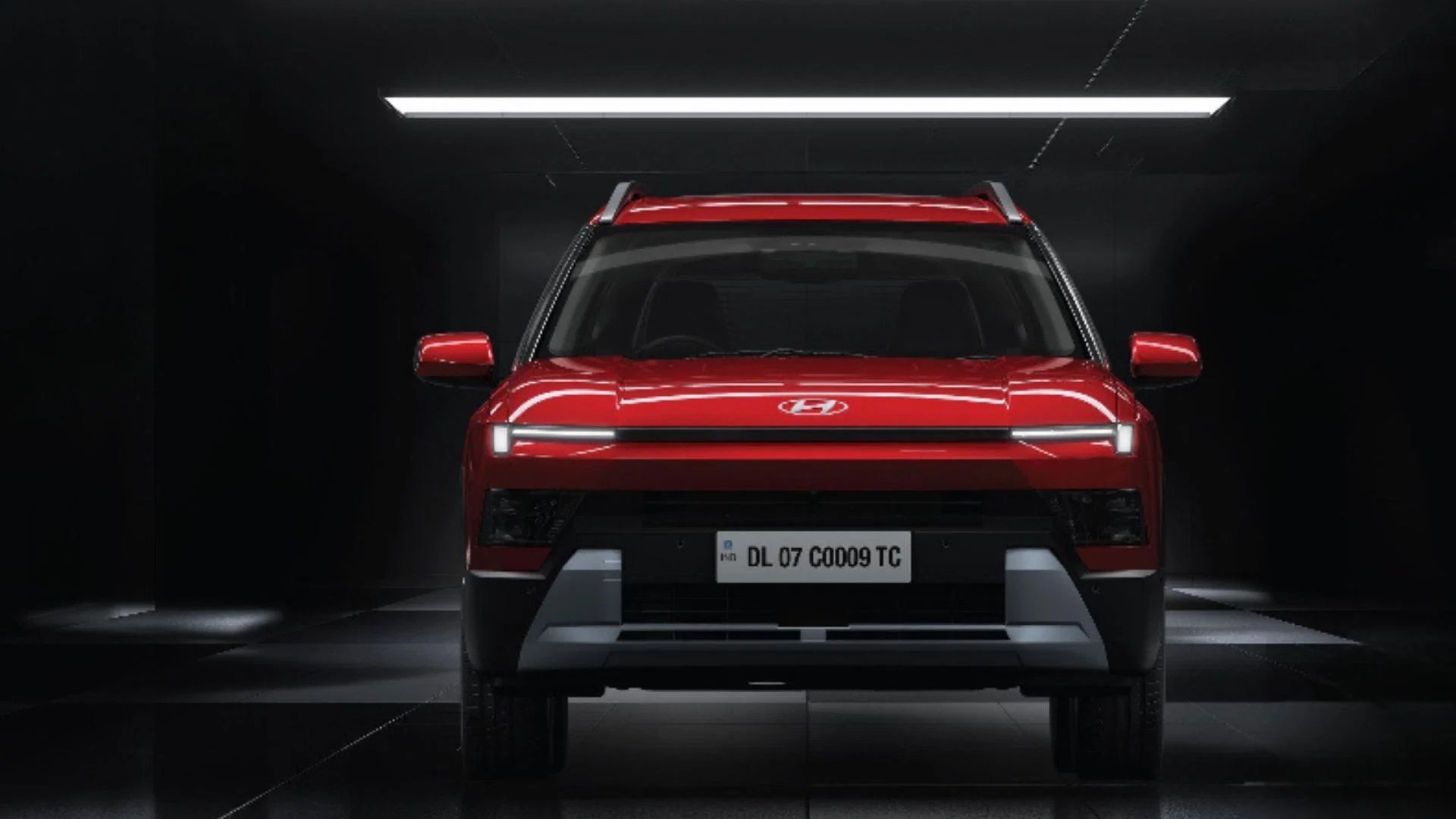
Bookings for the Hyundai Bayon open at a splash‑in‑the‑water ₹11,000, with the first delivery slated for the festive season of late October 2026. The price is a token fee; the full sticker price is expected to sit around ₹12‑13 lakh, comfortably under the existing Hyundai Venue and Maruti Vitara Brezza.
The Bayon is powered by a 1.5‑litre MPi petrol unit that churns out 84.4 kW (115 PS) and 144 Nm of torque. Drivers can choose between a 6‑speed manual or Hyundai’s Intelligent Variable Transmission, which is a mild‑hybrid‑style stepped gearbox that improves city‑driving efficiency.
What sets the Bayon apart is its AI‑centric cabin. The generative AI voice assistant, built on Perplexity and SoundHound, can plan itineraries, fetch weather, and suggest eateries—no pre‑defined command set needed. The NVIDIA‑accelerated Connected Car Navigation Cockpit offers split‑screen navigation and a dual 12.3‑inch curved display that feels like a tablet more than a dashboard.
In the crowded compact‑SUV space, the Bayon goes head‑to‑head with the Venue, Vitara Brezza and the newly launched Tata Altroz‑SUV. While the Venue relies on a 115‑PS engine and a modest infotainment package, the Bayon ups the ante with AI, OTA updates across 19 controllers, and a 70‑feature Bluelink suite. For tech‑savvy buyers, the Bayon offers a more connected experience at a price that rivals the lower‑tier models.
Launch day is 26 October 2026, with deliveries expected in December. Hyundai will roll out the Bayon city‑by‑city, starting in metro hubs like Delhi, Mumbai and Bangalore. Keep an eye on the official launch event for the exact retail price, variant‑specific features, and any after‑sales support packages that could sweeten the deal.