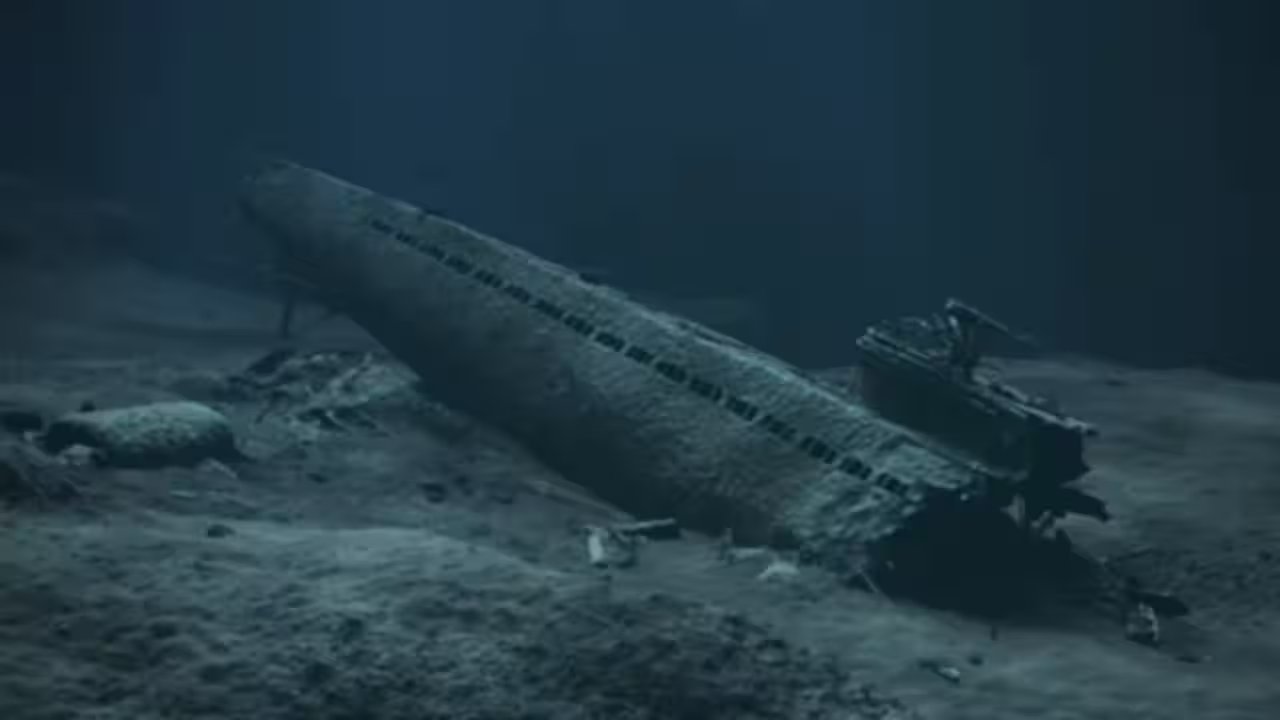
The German Type IXD2 U‑boat U‑864 was on a clandestine run to Japan when the British submarine HMS Venturer struck and sank it off Fedje on 9 February 1945, killing all 73 aboard. The wreck lay 150 metres deep for more than 70 years before the Norwegian Navy’s KNM Tyr spotted it in 2003, prompting a series of underwater surveys that revealed a shattered hull and scattered debris.
Kystverket’s research uncovered evidence of a Japanese wartime order that called for 1,867 mercury containers aboard U‑864, which, if fully loaded, would have weighed between 65 and 67 tonnes of metallic mercury. No loading documents survive, so the exact quantity remains an estimate, but the possibility of a massive mercury cargo has long concerned environmental scientists.
In June 2026, divers from Kystverket exposed six keel boxes in the bow section and recovered 22 mercury containers, some of which contained free‑flowing mercury. The team also detected mercury leaching into the surrounding seabed, with analyses indicating about 4 kilograms per year are escaping from the contaminated area.
Norwegian authorities have monitored fish and shellfish from the 47,000‑square‑metre zone around the wreck for years, issuing dietary cautions for pregnant women, infants and children since 2005. The discovery of active mercury leakage has prompted a reevaluation of those advisories and raised questions about long‑term ecological impacts.
The Ministry of Trade, Industry and Fisheries has instructed Kystverket to conduct further surveys and consider removal or containment of the remaining mercury. A review of the site’s risk assessment is scheduled for September, after which authorities will decide whether to initiate a remediation program, a decision that will directly affect local fishermen who rely on the surrounding waters for their livelihood.