If you’re eyeing a 2028 Mahindra EV, you might soon spot smoother acceleration and a slightly lower price tag—thanks to a new silicon‑carbide plant on the way in Odisha.
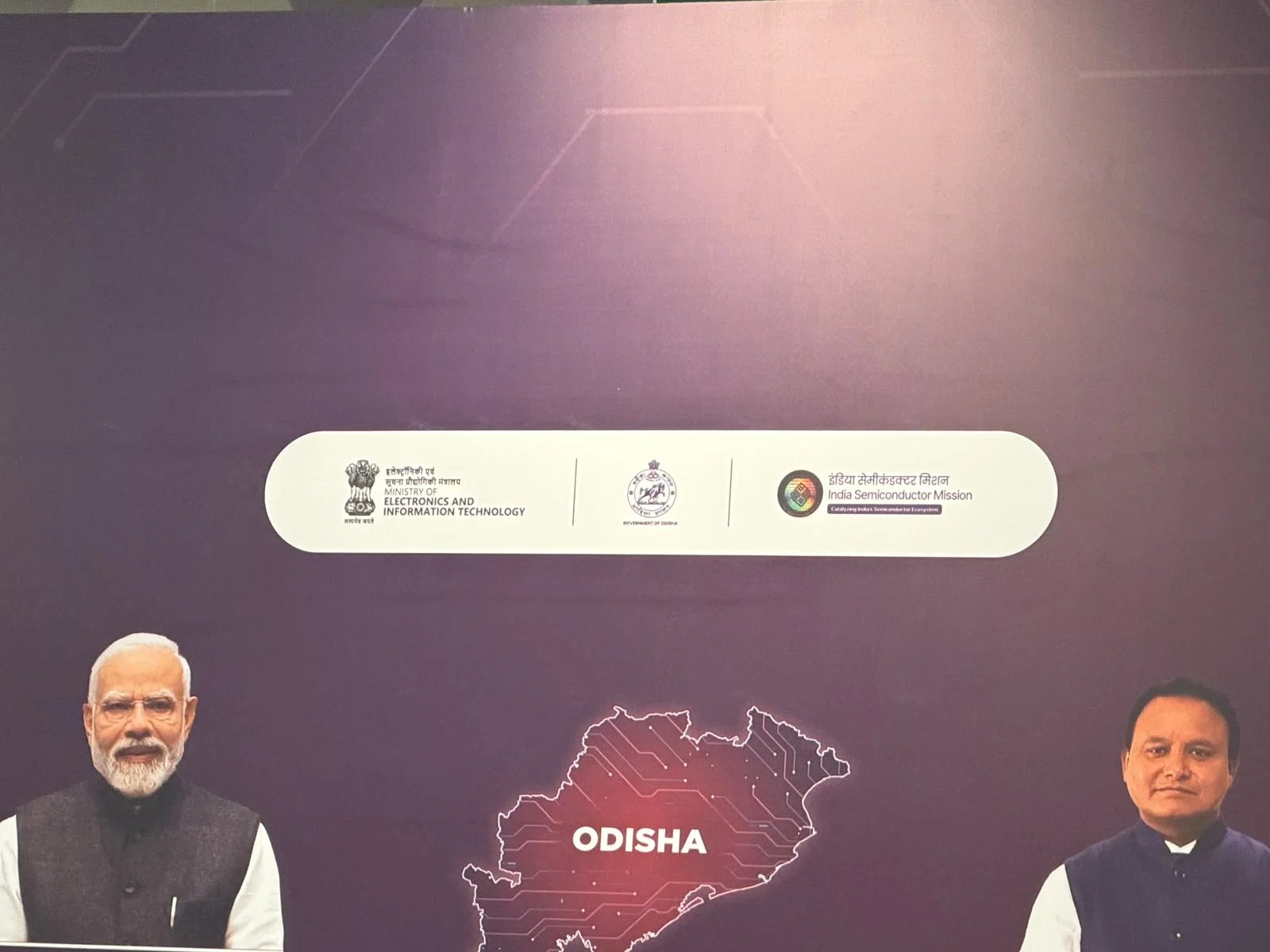
The state’s plan covers 871 acres between Bhubaneswar and Cuttack, with a flagship silicon‑carbide (SiC) facility set to churn out 60,000 wafers a year and pack up to 96 million devices. The unit, approved on September 15, sits on 21.889 acres in Khordha’s IDCO Infovalley‑II and will cost ₹3,406.25 crore. It’s slated to produce 4.8 million SiC diodes and 91.2 million SiC MOSFETs annually, creating roughly 1,270 jobs.
SiC is the power‑semiconductor of choice for EV traction inverters and high‑voltage fast‑chargers, so a steady domestic supply means fewer bottlenecks and cheaper parts. Compared to the 1.5‑million‑wafer lines currently run by overseas giants, Odisha’s capacity is modest, but it fills a critical gap in India’s supply chain and supports the India Semiconductor Mission’s goal of self‑reliance.
The hub also houses a 1,943‑crore 3D glass‑substrate plant by 3D Glass Solutions, aimed at advanced packaging for everything from data‑centres to solar inverters—another feather in the state’s growing industrial portfolio. IIT Bhubaneswar is partnering on indigenous SiC crystal growth, targeting 150 mm and 200 mm wafers, which could further reduce import dependence.
Production at the Khordha plant is expected to kick off late 2025, with full capacity by 2027. Once operational, the chips will be routed to nearby auto‑assembly clusters, meaning that Mahindra’s upcoming EVs could see component prices drop by 10‑15 % and delivery timelines shorten.
For buyers, the takeaway is clear: the next wave of Indian EVs will benefit from locally sourced, high‑efficiency silicon carbide, translating to better range, faster charging, and potentially lower sticker prices. Keep an eye on Mahindra’s 2028 lineup and the official launch of the hub for a fuller picture of how this state‑backed initiative will reshape the EV market.