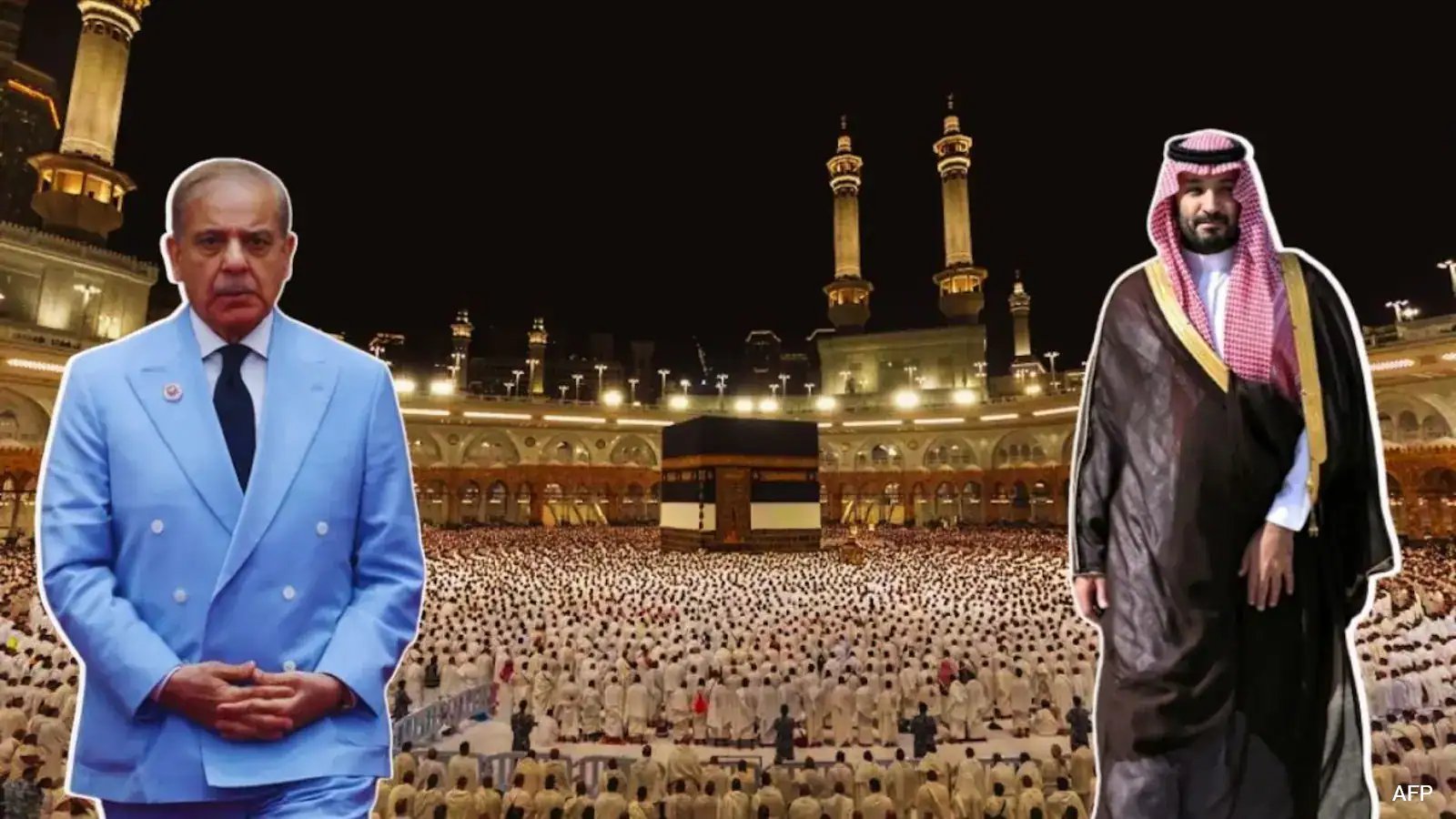
Mecca was put on emergency alert on Thursday after Saudi officials warned that Yemen's Houthi rebels might launch an aerial attack on the holy city. The alert, which lasted only minutes, was lifted once the threat was deemed unlikely, but the incident rattled the Muslim world and highlighted the fragility of regional security arrangements.
Pakistan's Defence Minister Khawaja Asif said that any attack on Saudi Arabia could trigger the Mecca Defence Alliance, a pact signed last month between Pakistan, Saudi Arabia and Turkey. Asif added that while Pakistan had not yet committed to striking Houthi targets, it remained bound to support Riyadh if the alliance were activated.
In a separate development, Saudi officials reached out to Israel for intelligence assistance with the Houthi threat. Israeli media reported that US Central Command facilitated talks, and Riyadh sought Tel Aviv's help to map Houthi deployments. The move underscores a pragmatic shift, even though formal diplomatic ties remain absent.
The Houthi group has repeatedly targeted Saudi military and energy infrastructure, and the recent emergency alert was its first claim to have reached Mecca. Islamabad's Prime Minister Shehbaz Sharif condemned the alleged drone attack, praising Saudi forces but refusing to commit to direct military action.
With the alliance on the brink, Pakistan is preparing to mobilise forces along its Saudi border, while Riyadh is likely to request further intelligence from Israel. The situation will be closely monitored by Washington and Tehran, whose own interests in the Red Sea region could shape the next phase of the conflict.