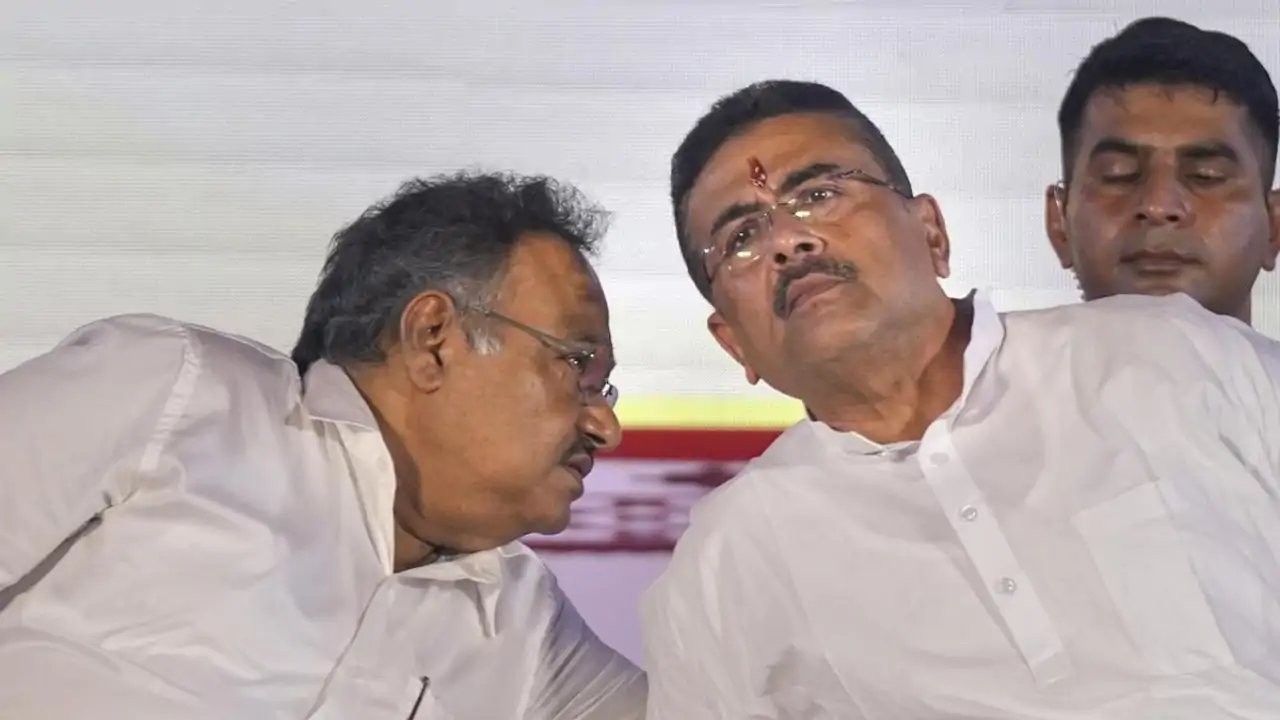
BJP president Samik Bhattacharya dropped the bombshell on October 5. The party is preparing to formally rename West Bengal. The new name? Paschim Banga. It’s not just a linguistic tweak; Bhattacharya frames it as a historical correction. He explicitly rejected the previous Trinamool Congress push for merely "Bangla," arguing that the state’s identity is inextricably linked to the Partition of Bengal. “Bengal was divided and one part went away. What remains is West Bengal,” he stated, insisting that Paschim Banga reflects that specific historical reality. The bill is slated for the very first session of the Assembly.
Chief Minister Suvendu Adhikari has already thrown his weight behind the proposal. But he added a layer of legal caution. “It should be done legally by introducing a bill in the Assembly,” Adhikari said, emphasizing the procedural aspect. The rhetoric is clear: this is a strategic move to anchor the state’s identity in its post-Partition history rather than the broader, often politically contested, cultural definition of Bengal. The BJP is positioning this as a restoration of truth, not just a name change.
This debate is far from new. In 1999, the Jyoti Basu-led Left Front considered the same name. Mamata Banerjee’s government later pivoted, first to "Paschim Banga" and then to "Bangla." In 2016 and 2018, the Assembly passed resolutions favoring "Bangla," but neither received the nod from the Centre. The current proposal circles back to a name that was previously floated but never fully executed, now with a different political mastermind steering the ship.
Yet, a massive constitutional wall stands in the way. A state cannot simply change its legal name through an Assembly bill. Article 3 of the Constitution mandates that the final alteration requires Parliament to pass legislation. This means the fight won’t end in Kolkata. It heads to New Delhi. The BJP will need to navigate the federal legislature, making this a national political issue rather than a purely state-level one. The next step? Watching how the Centre and opposition parties react to the parliamentary push.