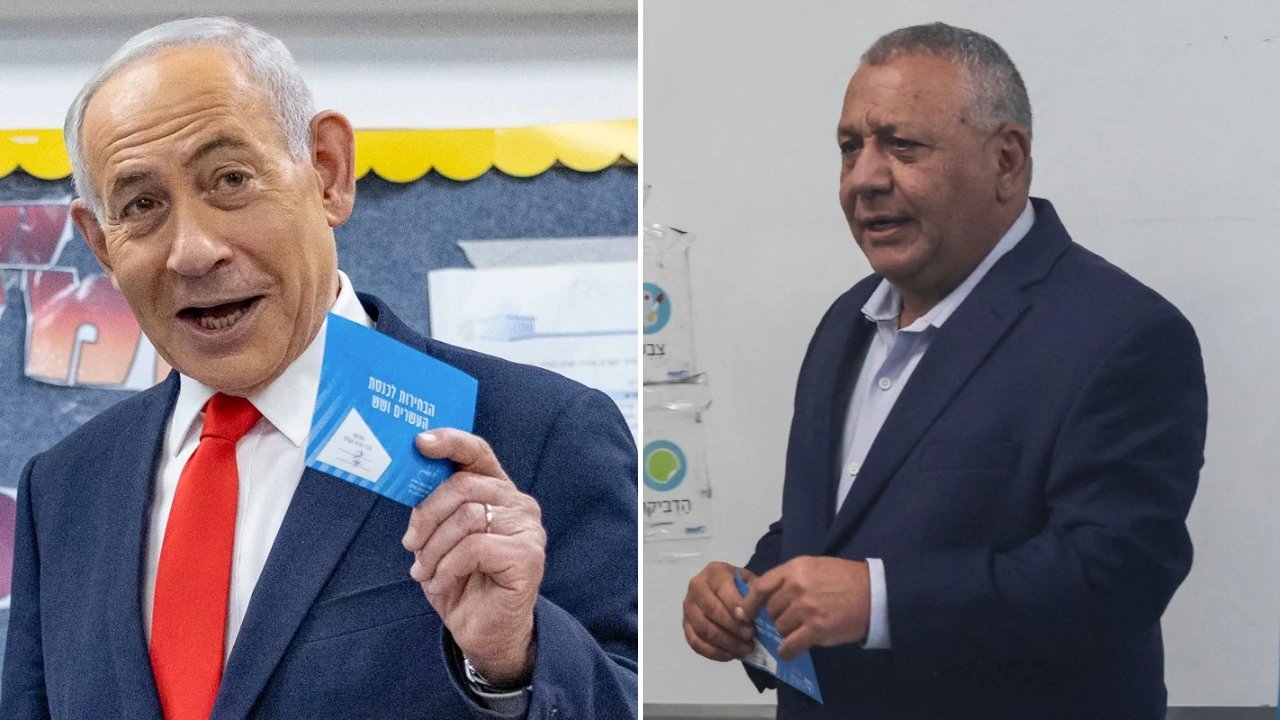
First 100,000 ballots revealed Likud’s share at 27 percent, equating to about 27 seats, while Eisenkot’s “change” bloc trailed at 17 percent, translating to roughly 17 seats. Yet the broader coalitions each amass 51 seats, a 10‑seat deficit from the 61 required to govern alone.
The Central Election Committee’s data also highlighted that Arab‑led parties secured 18 seats, a surge that could tip the balance if either major bloc seeks alliances. Netanyahu, in a brief address, warned that a government reliant on Arab parties would be untenable, echoing his earlier pledge to exclude them from cabinet.
Eisenkot, meanwhile, declared he would not form a government with Israeli Arab lawmakers, even as he promised to act swiftly to assemble a coalition. He cautioned that Netanyahu’s threats of renewed action against Iran could derail any partnership.
As final results will be announced within 48 hours, the next step will be coalition talks that could involve Arab parties or a second election. In Jaffa, a local teacher notes the uncertainty will affect his students’ future, underscoring the human stakes behind the numbers.