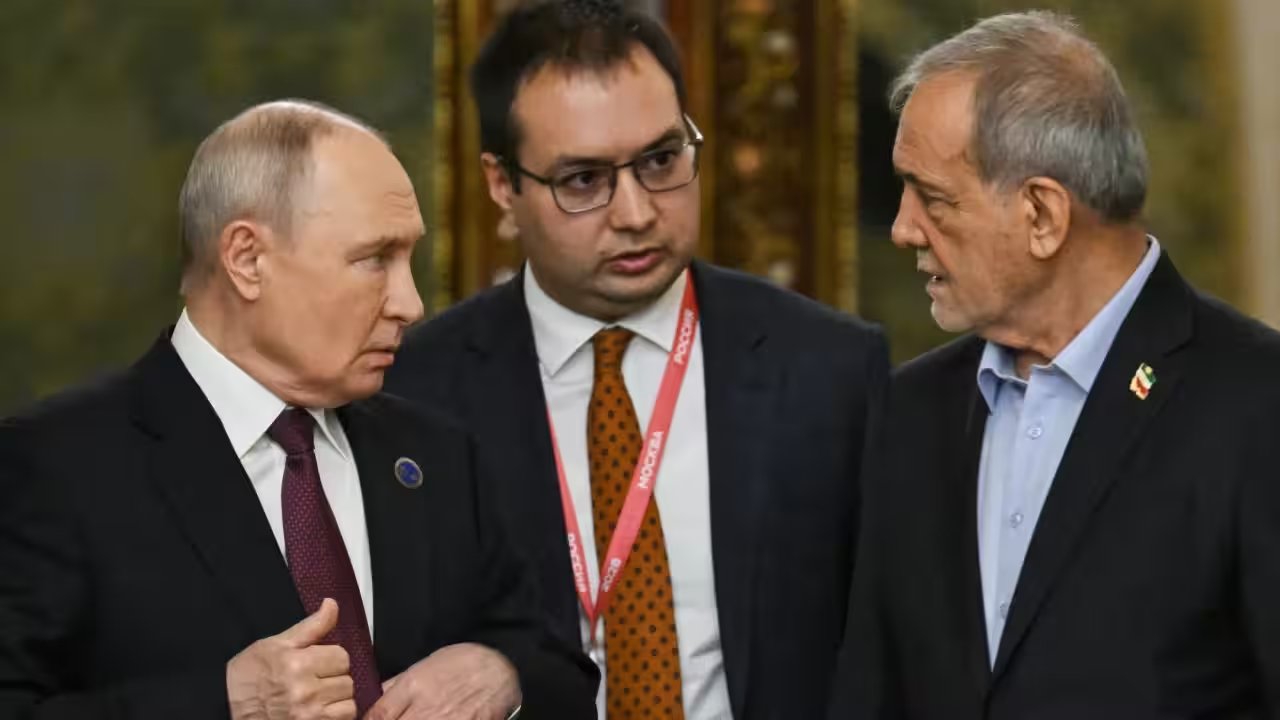
Russian government and military satellites loomed over Saudi Arabia’s Abqaiq pumping stations and a key air base for days before Iranian-backed militias struck. AURORAH Geosignal Intelligence, a Geneva-based private geospatial firm, analyzed 40 missile and drone attacks executed by Houthi rebels in Yemen and militias in Iraq between July 1 and Oct 19. The data showed a consistent pattern: Russian orbital assets converged on the exact coordinates of the targets immediately preceding every single strike.
The precision of these attacks suggests direct intelligence sharing between Moscow and Tehran’s proxies. Last month, a strike damaged the pumping stations of Saudi Arabia’s most vital oil pipeline. Days later, another attack hit a Saudi military base, destroying an Italian fighter jet parked inside a hangar. Nawaf Obaid, founder of AURORAH, stated the firm found a "100% match" between the satellite activity and the timing of the attacks, indicating the satellites were not merely passing by but actively gathering targeting data.
This revelation escalates the geopolitical tension in the Gulf, exposing Russia as an active enabler of Iran’s regional aggression rather than a passive observer. The strikes target the economic backbone of Saudi Arabia, a key US ally, while damaging Western military hardware stationed there. The involvement of Russian state assets in facilitating attacks on US partners represents a significant breach of diplomatic and strategic norms, likely prompting severe backlash from Washington and Riyadh.
Saudi officials have not yet publicly acknowledged the specific role of Russian satellites, but the geospatial evidence is compelling. The next move likely involves diplomatic protests from Saudi Arabia to Russia and a reassessment of US security guarantees in the region. Washington may soon face pressure to impose new sanctions or take retaliatory measures against both Iranian militias and Russian entities involved in the intelligence sharing.