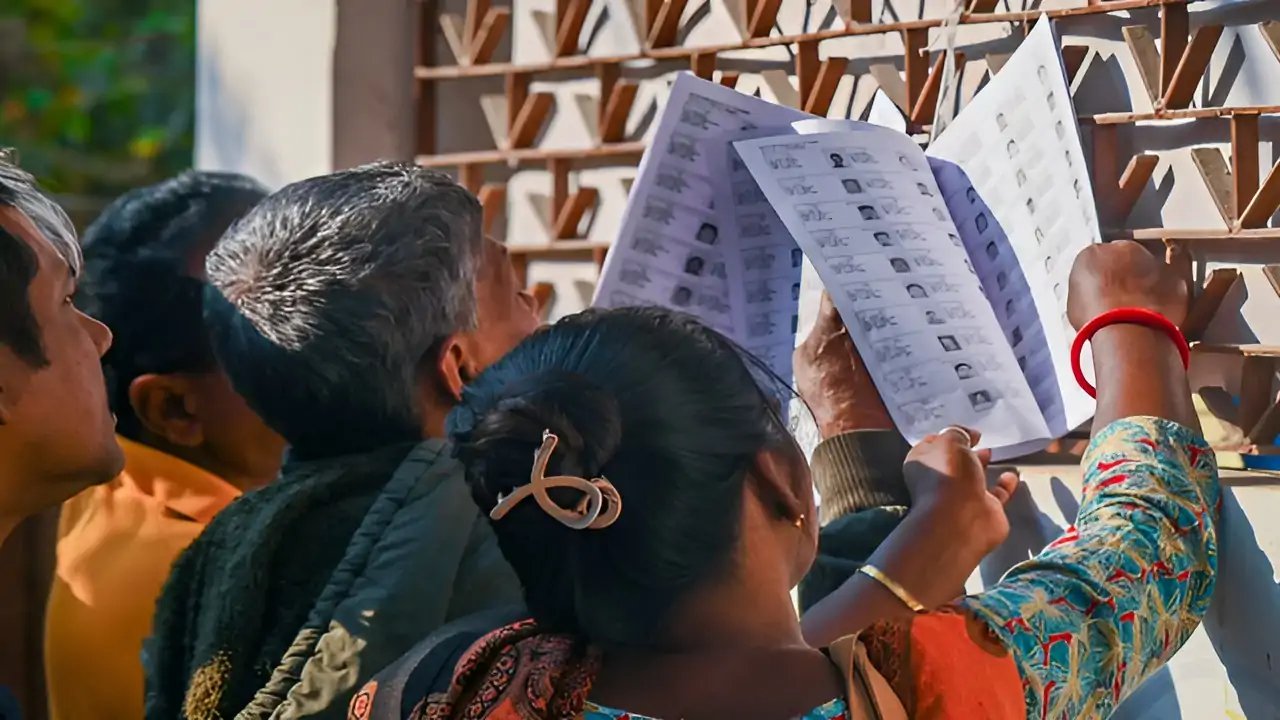
Manoj Kumar Agarwal, the Chief Electoral Officer for West Bengal, drew a hard line on Wednesday between voters whose names were accidentally omitted and those explicitly rejected by courts. He stated that Form-6, the standard application for adding missing names to the electoral roll, is not a vehicle for overturning judicial determinations. This distinction matters because it dictates who gets a second chance at the ballot box and who doesn't.
The clarification came as the state grapples with the aftermath of the Special Intensive Revision (SIR) exercise, a process that has drawn sharp criticism from opposition parties. Agarwal’s office pointed to the Election Commission’s Order No. 23/2025/ERS (Vol-II), dated October 1, 2026, which mandates a special drive for enrolling left-out and first-time voters. However, the CEO’s office emphasized that this drive operates under the continuous updation process, not as a mechanism to revisit adjudicated cases. The legal basis for this exclusion is explicit: a Supreme Court order dated March 10, 2026, cited in the statement, bars executive officers from interfering with decisions passed by judicial officers.
The stakes are high, with numbers revealing the scale of the administrative burden. According to an ECI affidavit filed in the Supreme Court, 93% of the 126,194 appeals decided so far have succeeded, leading to re-inclusion. But for the 8,649 individuals who lost their appeals, the path to reinstatement is now legally closed. Of the 27 lakh names deleted following the SIR exercise, 22,21,118 have filed appeals, while 16,10,311 appeals against inclusion have been filed by private objectors and the ECI.
For eligible voters who were genuinely left out, the process remains accessible. The CEO’s office advised checking the ASDD (absentee, shifted, dead, deleted) list prepared during the SIR. Those on this list can submit Form-6 online or through a Booth Level Officer. Similarly, young voters who have turned 18 can apply for inclusion through the same channels. This bifurcation ensures that the administrative correction of errors does not morph into a judicial review of deletions.
The legal battle over the SIR continues in the Supreme Court, where the validity of mass deletions is under scrutiny. With the next phase of the electoral roll updation scheduled to proceed under ECI supervision, the distinction between 'left out' and 'rejected' will determine millions of votes. Parties are expected to challenge the interpretation of the March 10 order, arguing that the scope of judicial intervention in electoral rolls requires further clarification.