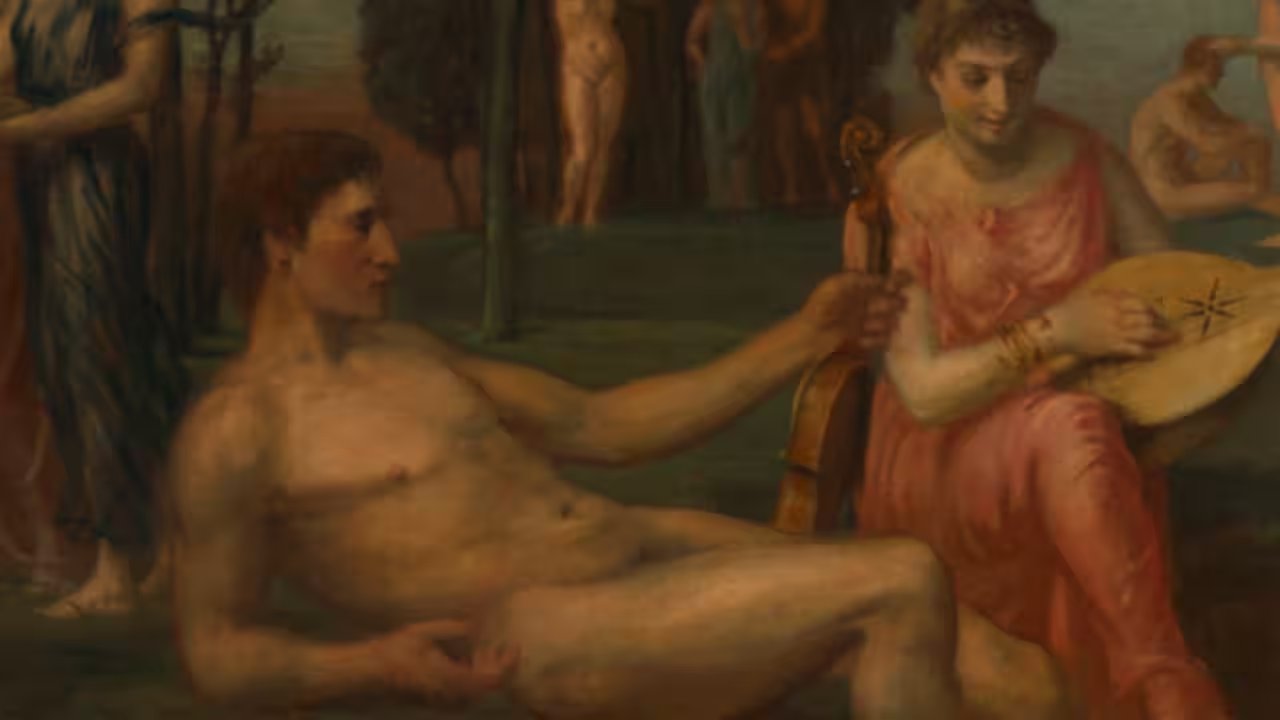
Bavarian State Painting Collections physically returned an 1892 painting to the US-based descendants of Sofie Heilbronner during a September 22, 2026, ceremony at the German Embassy in Washington, DC. The artwork, once a centerpiece in the home of a Munich banker’s widow, had been forcibly removed following her persecution under the Nazi regime. For 80 years, the piece sat in a Munich warehouse before migrating into the state’s official inventory, its true ownership buried under layers of bureaucratic transfer.
The resolution didn’t happen overnight. Researchers from the Bavarian Museum Agency’s Provenance Research Department spent years untangling the painting’s wartime trajectory starting in 2020. They traced the object from a storage facility on Lazarettstrasse to the state system, where it had been logged as a standard transfer of state assets by the Bavarian State Office of Asset Management and Restitution. That label, however, masked the reality of the seizure.
The breakthrough came from the archives of two historic Munich dealers: Galerie Heinemann and Galerie Hugo Helbing. Their records provided the missing link, directly tying the canvas to Heilbronner and disproving any claim of legitimate purchase. In 2021, the New York State Department of Financial Services Holocaust Claims Processing Office stepped in, contacting the Bavarian collection on behalf of the heirs after the 2015 Lost Art database listing flagged the work’s questionable history.
This case underscores why provenance research remains the backbone of Holocaust-era restitution. Piecing together fragments of gallery sales, government inventories, and museum archives often takes years, but it is the only way to answer questions that have haunted families for generations. For Heilbronner’s descendants, the return is more than a legal win; it is the recovery of a tangible piece of their family’s history.
The Bavarian State Painting Collections have signaled that this return is part of a broader, ongoing audit of their holdings. As museums worldwide continue to scrutinize pre-1945 acquisitions, the reliance on primary dealer records will likely become the standard for resolving similar disputes. The next phase involves the full integration of Heilbronner’s provenance into the public record, ensuring the painting’s history is documented for future reference.