Tata Tigor EV hits the market at ₹12.99 lakh, a price point that makes it one of the most affordable fully electric cars in India. The 260‑km range, measured under the Indian driving conditions test, keeps it firmly in the city‑centric segment where a compact footprint and efficient energy use matter most.
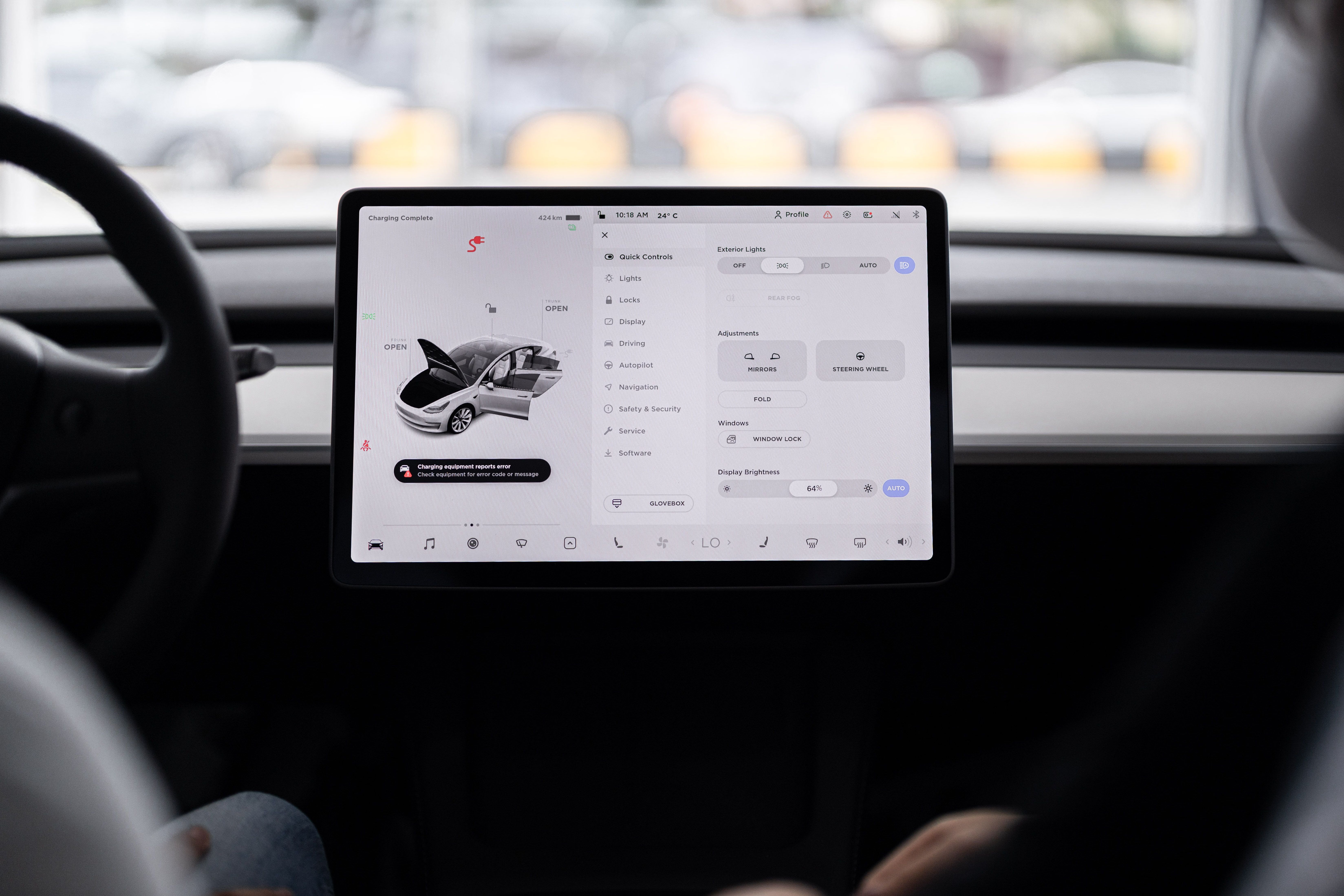
But the price tag and distance are only part of the equation now. With every drive, the Tigor’s 12‑inch digital cluster, infotainment screen and telematics unit open a channel to the cloud. If that channel isn’t locked down, a malicious actor could hijack the vehicle’s controls or steal sensitive data. Cybersecurity is no longer a luxury; it’s a requirement that the manufacturer has built into the design from the very first prototype.
How does it stack up against the nearest competitor? The Tata Nexon EV, priced at ₹19 lakh, boasts a 312‑km range but shares the same underlying electronic architecture. Both cars rely on the same CAN‑based network, yet the Tigor has an extra layer of encryption in its OTA stack that the Nexon currently lacks. For a buyer weighing cost against safety, that extra layer could tip the scales.
The push for secure OTA isn’t just industry talk. In 2024 the Ministry of Heavy Industries released a guideline that all electric vehicles must meet a baseline of cybersecurity readiness before they can be sold. The mandate covers secure authentication, encrypted data transfer and a signed‑off update mechanism. While Tata hasn’t yet published a detailed compliance report, the Tigor’s launch sequence included a third‑party audit that confirmed the vehicle’s adherence to these standards.
Looking ahead, the Tigor is already available in Delhi and Mumbai, with a nationwide rollout expected by the third quarter of 2024. Buyers should keep an eye on the update schedule and ask dealers about the warranty coverage for software patches. The next big headline will likely be the release of a new firmware version that patches a newly discovered vulnerability in the infotainment subsystem. Until then, the Tigor stands as a case study in how affordability and security can coexist in India’s first wave of mass‑market EVs.