But the first thing a buyer notices is that the numbers on the showroom floor no longer tell the whole story. 2024’s market data shows that sales during festival season jump, yet the same units rarely stay in service beyond a few months if they’re not meeting real‑world performance expectations.
The real metric now is how many kilometres a bike actually covers before a battery swap or maintenance cycle is required. Fleet operators in Bangalore, for instance, track active vehicle days and average daily mileage to decide whether a new two‑wheel entry will keep their delivery loops humming.
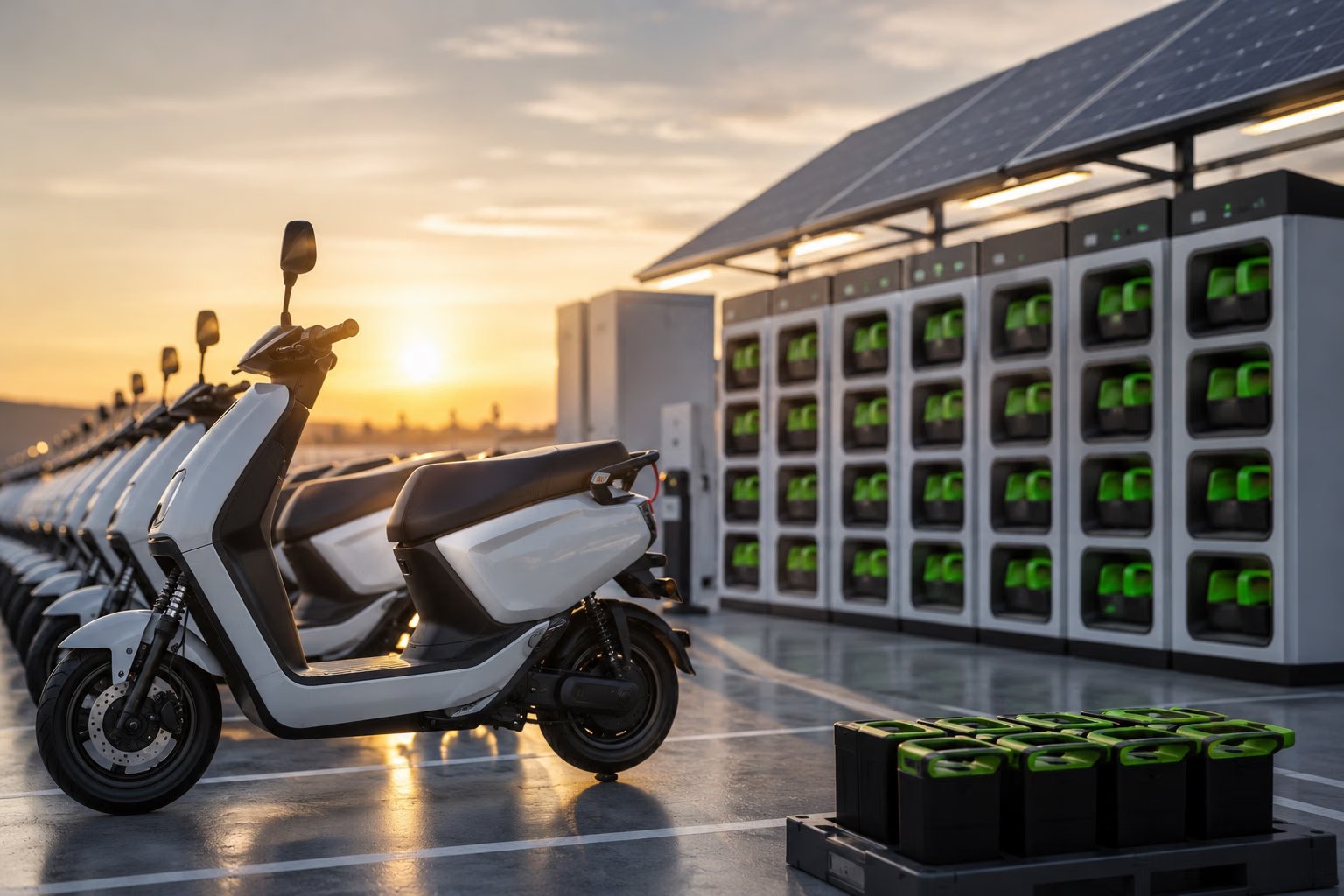
Battery‑swap infrastructure is becoming a game‑changer for last‑mile logistics. Operators who rely on rapid swaps can keep the same bike on the road for weeks, whereas those that depend on overnight charging see higher downtime and lower utilisation, which feeds back into the manufacturer’s demand model.
Policy shifts add another layer. The recent amendment to the EV duty framework cuts import duties on battery packs, nudging manufacturers to offer more competitive pricing. This, coupled with the 2024 rollout of dedicated EV lanes, means the cost of ownership can drop enough to make a second‑hand purchase more attractive.
For buyers, the takeaway is that the price tag on a new electric two‑wheeler will increasingly reflect its projected uptime and battery longevity, not just its launch spec. Expect to see support packages that include battery health monitoring, roadside assistance, and performance guarantees tied to kilometres driven.
The next wave of launches is slated for mid‑2024, with city‑wide availability in Delhi, Mumbai and Chennai by August. Keep an eye on the next quarterly reports from major OEMs – they’ll reveal whether the utilisation data is translating into higher sales volumes in the months that follow the holiday rush.