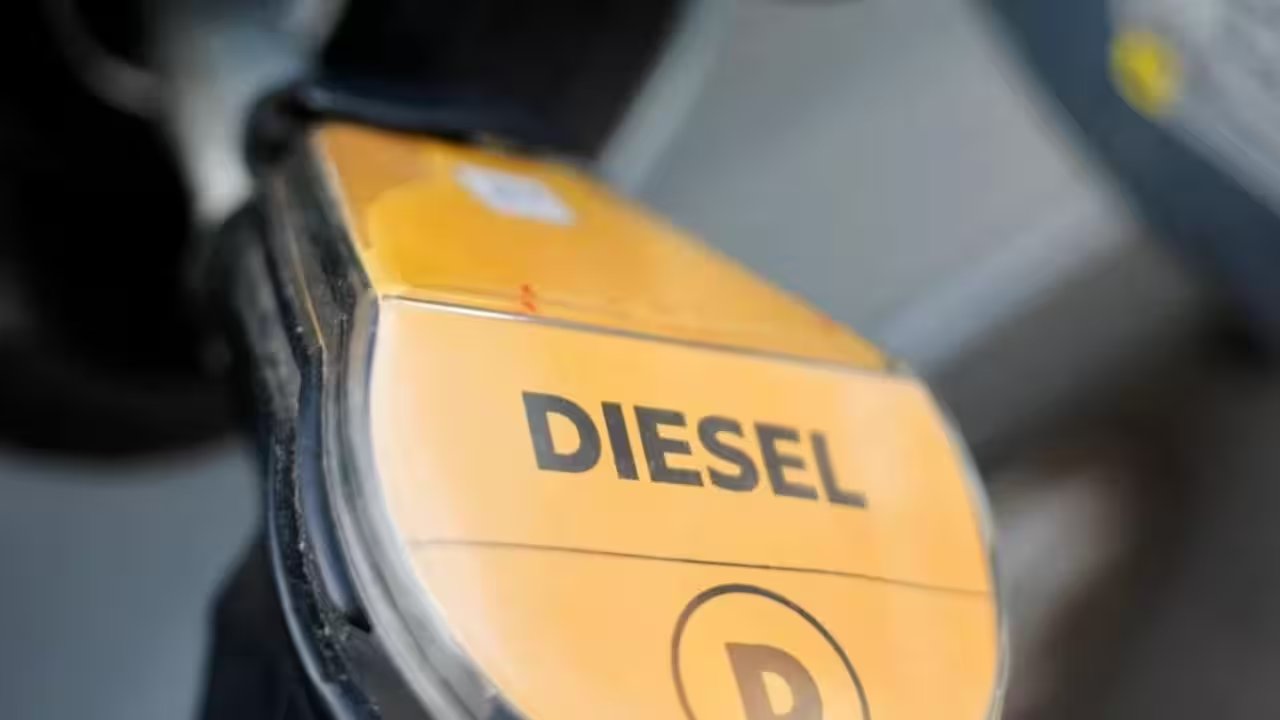
The European Union, under France’s rotating G7 presidency, convened a video conference on Thursday that culminated in the emergency release decision. Macron highlighted that the move follows a March pledge by IEA members to release 426 million barrels, including 92 million from EU members, aimed at stabilising the global market.
The bloc said the front‑loaded release will pour 100 million barrels of diesel into the market, beginning immediately and completing the first tranche within the next 20 days, with the remainder spread over four months. Analysts noted that the average U.S. diesel price hovered at $6.37 a gallon, while Europe saw record highs, underscoring the urgency.
Energy research fellow Jim Krane warned that, "Draining stocks will reduce retail fuel prices for a while, at the cost of leaving Europe with less emergency cover." He cautioned that the timing of future replenishment is uncertain, especially amid ongoing conflicts that threaten refinery output and export routes.
Russia’s export ban, triggered by Ukrainian drone strikes, and the decline in Persian Gulf shipments due to war damage have tightened global supply. With Europe not importing Russian diesel, competitors such as Turkey and Latin American buyers are still vying for the limited barrels, meaning the G7’s injection may not fully offset the squeeze.
Market reaction was muted; U.S. oil prices fell 2% after the announcement, but analysts like Pavel Molchanov of Raymond James flagged the lack of clarity on whether the 100 million barrels are an add‑on or the final tranche of the March pledge. Ahead of the next replenishment cycle, G7 members are expected to negotiate new storage agreements, while the European Commission plans to assess the impact on its strategic reserves by the end of the month.