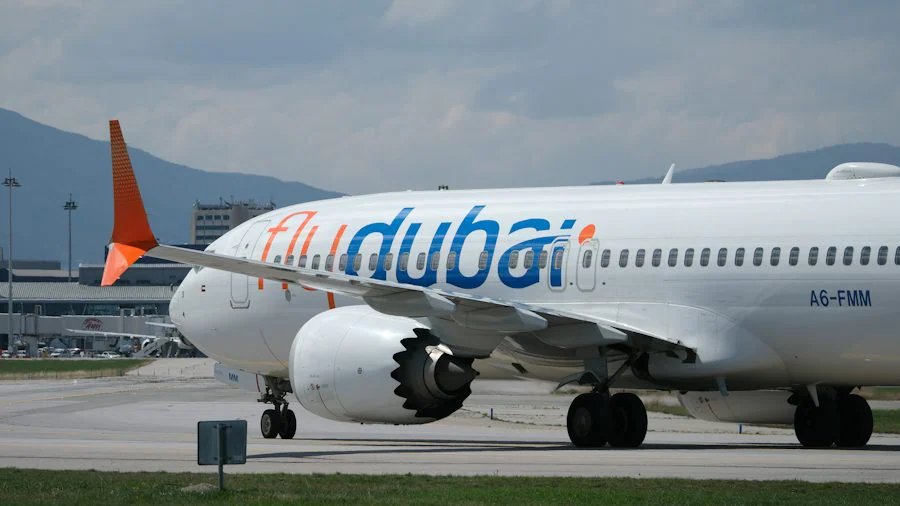
Omani co‑pilot Hamam Alhammami tried to derail a flydubai Boeing 737‑Max en route from Dubai to Tel‑Aviv, stabbing Captain Smit Machchhar in the cockpit. The pilot, praised as a hero, managed to unlock the cockpit door and allowed the crew and passengers to subdue the attacker, after which two trainee pilots diverted the aircraft to Jeddah, Saudi Arabia, where it landed safely at 15,600 feet.
Alhammami’s deleted LinkedIn profile, found in the nine hours following the incident, posted a series of cockpit clips and extremist images, including photographs of al‑Zawahiri and a suicide bomber. An X post, also removed after his arrest, revealed misogynistic comments about women in mixed‑gender workplaces and demanded that his future wife wear a niqab. The content, the airline’s records, and the co‑pilot’s own statements paint a picture of a man with radical views.
The Omani authorities had barred Alhammami from flying in 2025 after his extremist online activity came to light. Nevertheless, after a brief stint at Royal Air Maroc, he was hired by flydubai in February 2024 for an administrative role that allowed him access to the Dubai‑Tel Aviv route, a flight that has been a flashpoint in the Israel‑UAE normalization agreement.
The arrest, announced by a flydubai spokesperson, comes as the airline says it will conduct a full audit of its hiring and security procedures. The co‑pilot faces charges of attempted sabotage and assault, while investigators are probing the timing of his extremist posts.
The next step will see Alhammami appear before a court in Dubai, where a verdict could set a precedent for airline security checks in the Middle East. Meanwhile, the International Civil Aviation Organization has pledged to review its oversight of crew vetting processes.