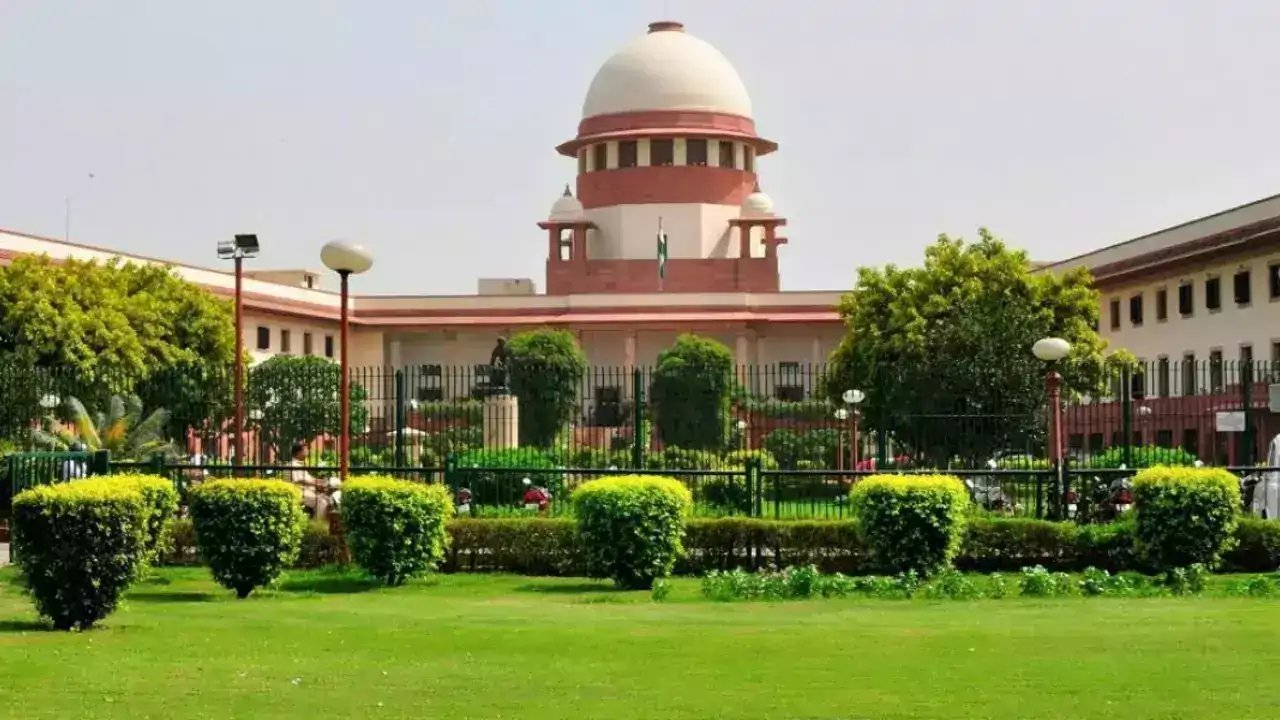
The bench, led by Chief Justice Surya Kant with Justices Joymalya Bagchi and V Mohana, heard arguments on Tuesday that probed whether the sentiment of a party symbol extends to members who have committed the constitutional sin of defection. It focused on the EC’s reliance on the legislative majority test to recognize the Shinde faction as the legitimate Shiv Sena and to allocate the bow‑and‑arrow symbol.
Senior advocate Neeraj Kishan Kaul, representing the Shinde faction, defended the EC’s approach, pointing to 40 MLAs backing Shinde—who accounted for 76% of votes in the 2019 Maharashtra Assembly election—and 13 MPs—who accounted for 73% of votes in the 2019 Lok Sabha election. He argued that disqualification proceedings should not retroactively alter the legislative majority.
Justice Bagchi raised doubts about the applicability of the symbol to disqualified members and how grassroots support is measured when a faction’s organisational structure is unclear. He questioned whether an organisational count could truly reflect popular backing in a fractured political landscape.
Earlier in the hearing, the bench asked whether the EC had considered denying the bow‑and‑arrow symbol to both factions and whether legislative strength remains a safe test while disqualification petitions against the very MLAs that form the majority are pending. The court noted that the 2019 Maharashtra Assembly has since been dissolved and a new house was constituted after the 2024 elections.
The next day, the Supreme Court will reconvene to weigh the arguments and decide if the Shinde faction retains the right to contest elections under the bow‑and‑arrow symbol, a decision that could determine the faction’s electoral viability and the fate of its workers and supporters across Maharashtra.