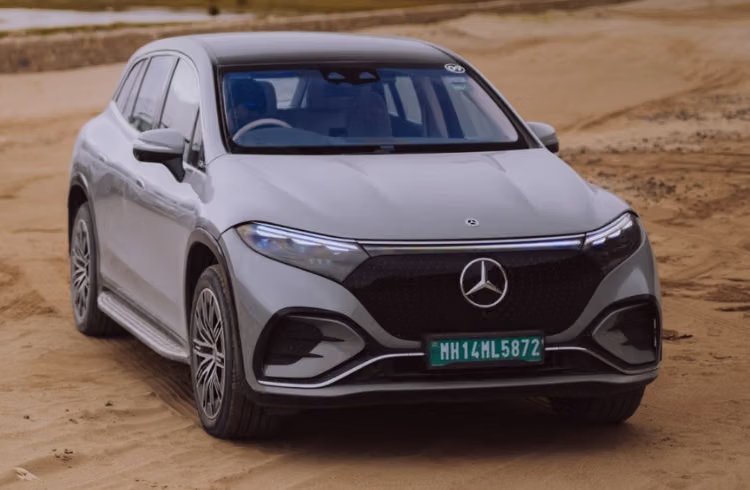
Mercedes‑Benz India’s latest figures show a sharp uptick in EV interest, with the brand aiming for 20‑25% of total sales in 2027 if supply chain hurdles are cleared. The company’s own data reveal nearly 1,000 confirmed orders for the CLA BEV alone, while customers are still lining up for the locally produced EQS SUV—an inventory shortfall that’s already nudged the brand’s current penetration 7‑8% below what it could have achieved. Santosh Iyer, the managing director and CEO, told Autocar Professional that supply, not demand, is the bottleneck, and that most buyers are willing to wait up to six months for delivery.
Supply constraints vary across the Mercedes‑Benz EV portfolio. The CLA BEV is chasing intense global demand, limiting the allocation that India can secure; meanwhile, the EQS SUV production has been ramped up after the company misread the market shift toward electric. The GLC BEV is slated to launch in India on November 4, adding another option for buyers. Iyer says most supply‑related issues should be ironed out by early next year, with EQS availability improving significantly from November‑December.
The numbers back the optimism: Mercedes‑Benz India sold 15,190 vehicles from January to September 2026, up 8% from the same period last year. Q3 sales hit a record 5,422 units, 6% higher YoY and 17% sequentially. The Entry‑Luxury segment, which includes the CLA BEV, grew 4%, making up roughly 15% of overall sales. In the broader luxury arena, Top‑End Luxury sold 13% more, while the AMG line grew 18%.
For the average buyer, the takeaway is that Mercedes‑Benz is poised to bring more electric vehicles to the market, but patience remains key. With a backlog of orders and a supply chain still catching up, customers can expect delivery windows of up to six months, and cancellations are a possibility if expectations aren’t met. The next milestones to watch are the November 4 launch of the GLC BEV, the projected ramp‑up of EQS production in late 2026, and the eventual easing of supply constraints early 2027, which will unlock the 20‑25% EV penetration target.