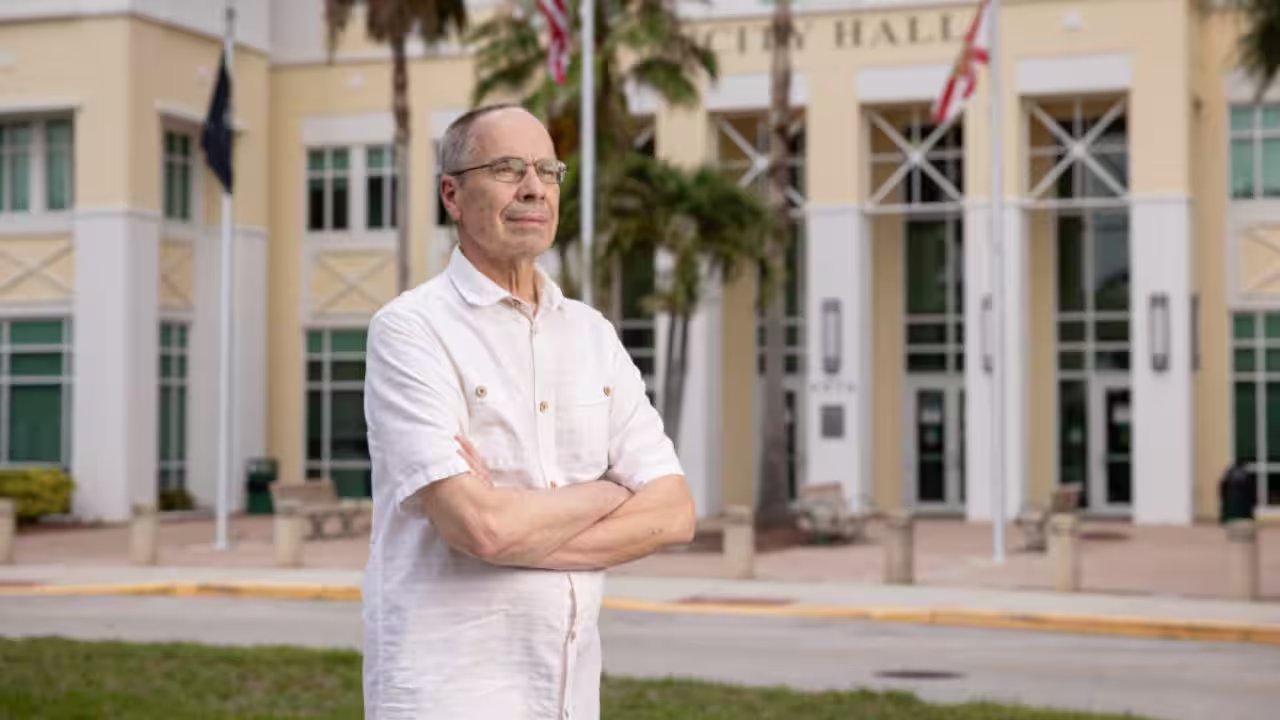
Art Yatsko, a Rhode Island retiree, filed a federal civil‑rights suit on June 9 2026 after the City of North Port, Florida, rezoned his vacant 2006 lot on Kumquat Avenue to a Commercial Office Regional district that forbids single‑family homes. The move came as Yatsko was preparing to break ground on a two‑to‑three‑bedroom house he had dreamed of for years. He has owned the parcel for 20 years, paying taxes and making periodic visits to the site.
Yatsko bought the lot at an auction in 2006 after spotting a flyer for residential parcels in North Port. He envisioned moving from Rhode Island to Florida after retirement, building a modest home with a pool, garage, and space for a small boat. For two decades the lot sat untouched, a quiet promise in his retirement portfolio.
North Port has been reshaping its zoning to attract commercial development, aiming to lift its commercial tax base from 8% to 18% of total revenue. City officials designated the area around Yatsko’s property as an Activity Center, granting permission for offices, restaurants, and other non‑residential uses. The new Commercial Office Regional classification prohibits single‑family residences while allowing certain commercial or mixed‑use projects.
Yatsko’s attorneys, representing him through the Institute for Justice, argue that the zoning change violates his constitutional right to property and equal protection under 42 U.S.C. § 1983. They contend the city’s plan goes beyond encouraging commerce; it effectively blocks a legitimate residential use that was the original purpose of the purchase. Alternatives such as a nightclub, shooting range, or limited multifamily units would not satisfy Yatsko’s retirement goal.
Yatsko, who drives from Providence to North Port every few months, says the decision feels like a personal betrayal after he paid the lot’s taxes for 20 years. The case will be heard in the U.S. District Court for the Middle District of Florida, with arguments set for September and a potential ruling in early 2027. The city is expected to defend the zoning plan, arguing it serves broader economic interests.