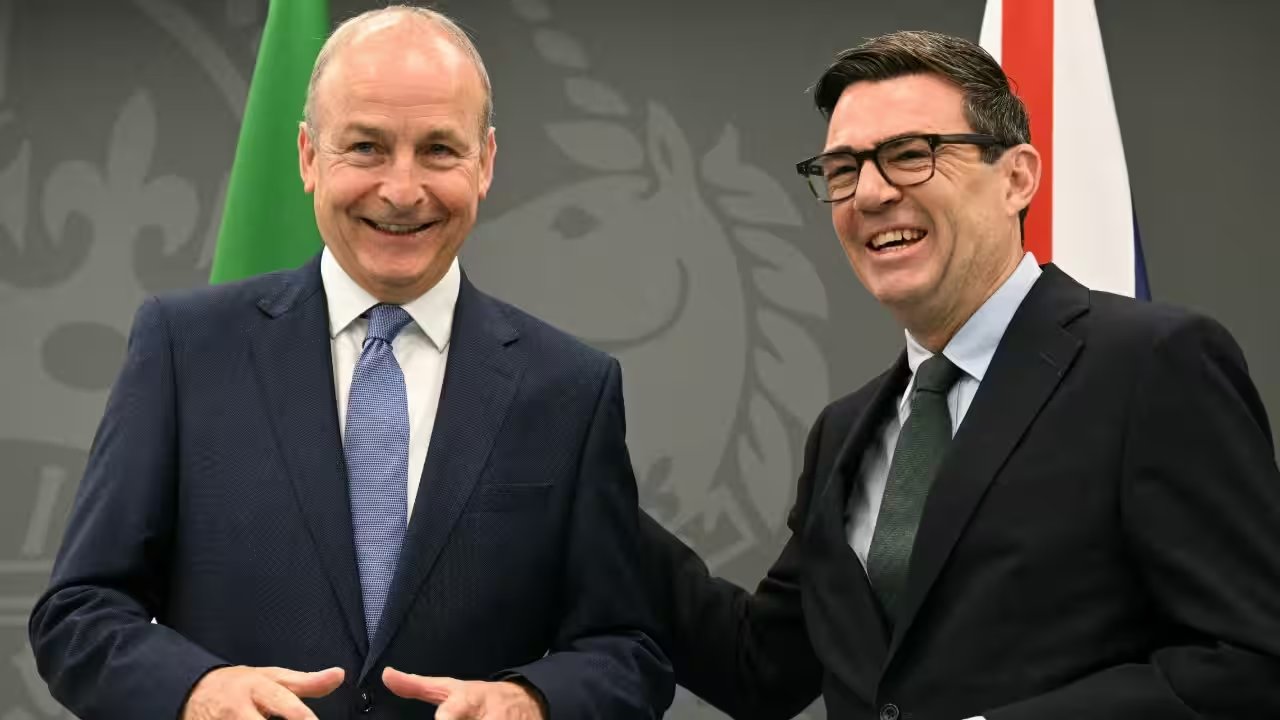
During a joint press conference in Manchester on Friday, UK Prime Minister Rishi Sunak and Irish Taoiseach Micheál Martin declared that both governments would continue to uphold the Good Friday Agreement. The meeting followed a week after former US President Donald Trump’s remarks in Dublin, where he said he would "love to see Ireland and Northern Ireland unified".
Trump’s comments ignited fresh debate across the island. Martin responded that the agreement remains the foundation of peace, saying, "The Agreement is the bedrock of stability for both peoples." He added that any change must be pursued through democratic means.
The 1998 accord ended 30 years of sectarian violence by stipulating that a referendum on Irish unification could only be called at the discretion of the British government. It requires a two‑thirds majority in both parliaments and a 60% voter turnout for legitimacy.
On September 14, first ministers of Northern Ireland, Scotland and Wales signed a Memorandum of Understanding in Cardiff, declaring that "Westminster's time is up." Scottish First Minister Humza Yousaf said, "We are ready to take the next step," signalling a coordinated push for greater autonomy or exit.
Local Belfast shopkeeper John O'Connor says the agreement has brought calm, but he worries that any change could spark new tensions. He hopes that the leaders will keep the peace under the current framework.
The UK government will keep the power to call a referendum, while the next parliamentary debate on the issue is slated for next month, setting the stage for further negotiations.