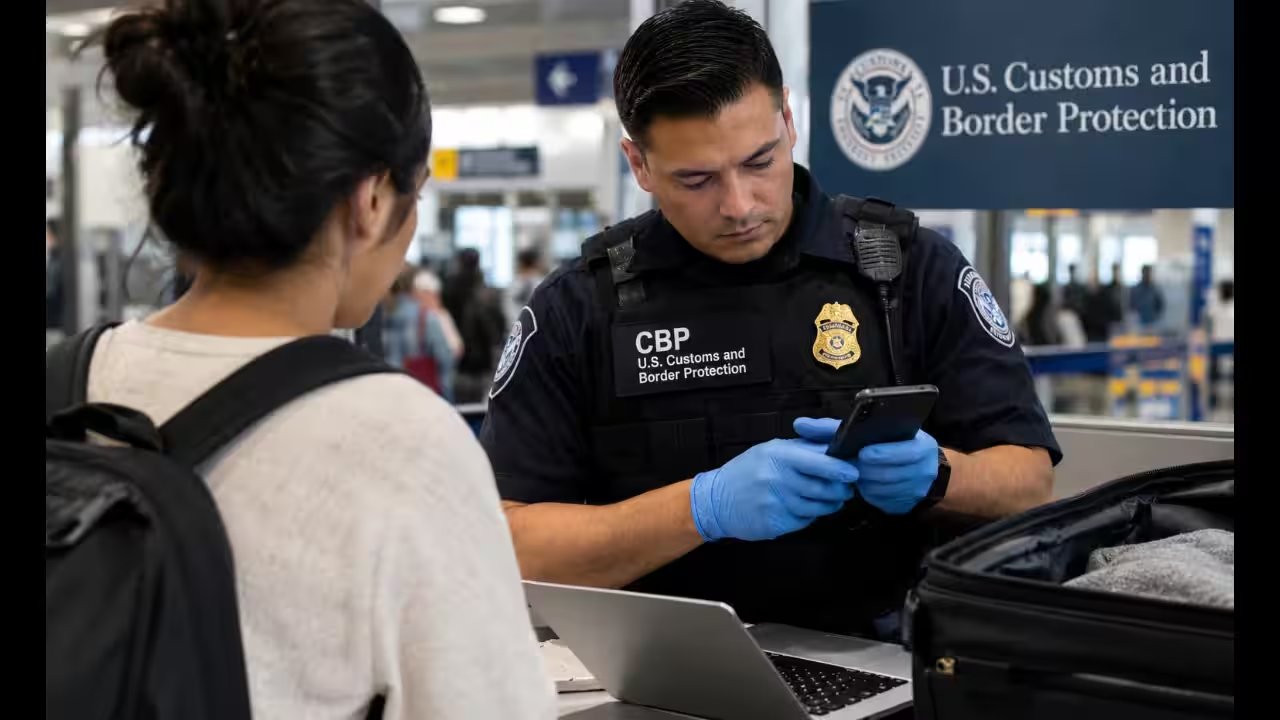
The decision followed the case of Chinwendu Alisigwe, a Nigerian Green Card holder whose phone was searched at JFK in June 2024, leading to evidence that secured his conviction for bank fraud and money laundering.
The court treated a manual search of a cellphone as a routine border search under the longstanding exception that allows officials to inspect travelers and their belongings without a warrant. It distinguished this from the 2014 Supreme Court ruling in Riley v. California, which requires a warrant for police searches of phones inside the U.S.
While the First Amendment protects expression, the court held it does not create a separate warrant requirement for phones at the border, citing the government's authority to enforce immigration and counter‑terrorism laws. Civil‑liberties groups warned that the ruling could expose sensitive personal data to officials without any suspicion.
The ruling covers only manual searches; more intrusive forensic examinations remain subject to separate scrutiny. The Department of Homeland Security is expected to issue new guidance on digital searches, and lawmakers may consider legislation to clarify the scope of electronic privacy at borders.