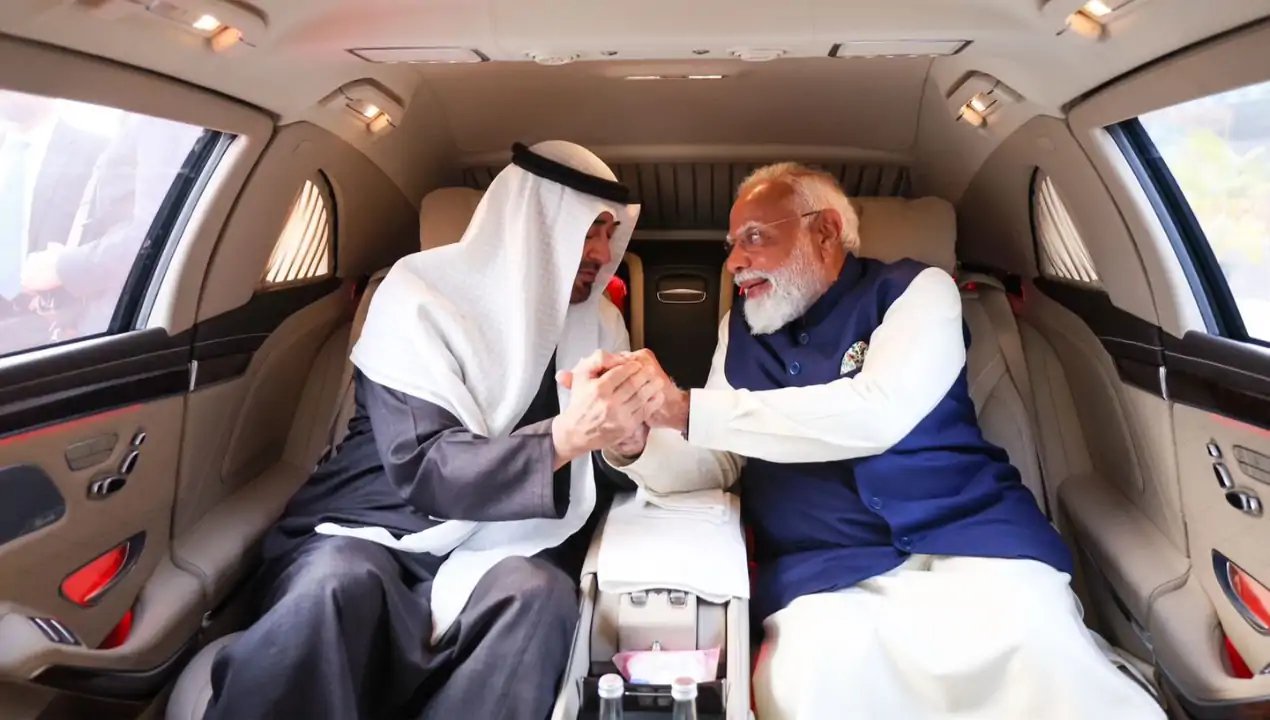
The diplomatic line between Abu Dhabi and New Delhi buzzed on Friday as UAE President Sheikh Mohamed bin Zayed Al Nahyan placed a personal call to Prime Minister Narendra Modi. The conversation served a dual purpose: extending birthday greetings for Modi’s 76th, which fell on Thursday, and assessing the momentum of their bilateral ties. It wasn’t just a courtesy call. The two leaders used the window to solidify their strategic alignment.
Modi turned 76 on Thursday, but the UAE President’s timing suggests the geopolitical weight of the moment outweighed the personal milestone. In a post on X, Modi described the UAE leader as his “brother,” a term that underscores the unusually close personal rapport between the two heads of state. They didn’t just trade pleasantries. The discussion pivoted quickly to high-stakes topics: regional stability in West Asia and the practical mechanics of their Comprehensive Strategic Partnership.
The PMO statement confirmed that the leaders agreed to push forward in five specific sectors: energy, defense, technology, investment, and health. This is where the rubber meets the road. For New Delhi, deepening defense and energy cooperation with Abu Dhabi is critical to securing supply chains and counterbalancing regional shifts. For the UAE, India remains its largest source of crude oil imports, a relationship that now extends beyond barrels of oil to include joint tech initiatives and mutual security pacts.
Modi also took a moment to highlight the UAE’s role in the recent BRICS Summit. He specifically appreciated the participation of Crown Prince Sheikh Khaled, signaling that the UAE is engaged not just as a bilateral partner but as a key player in the broader Global South architecture that India currently leads. This participation validates India’s diplomatic outreach during its BRICS presidency.
The next move isn’t a press conference. It’s a pipeline of working-level meetings. With both leaders reaffirming their commitment to regional peace, expect accelerated negotiations on defense procurement deals and energy security pacts in the coming weeks. The West Asia situation remains volatile, and both New Delhi and Abu Dhabi need each other to navigate it.