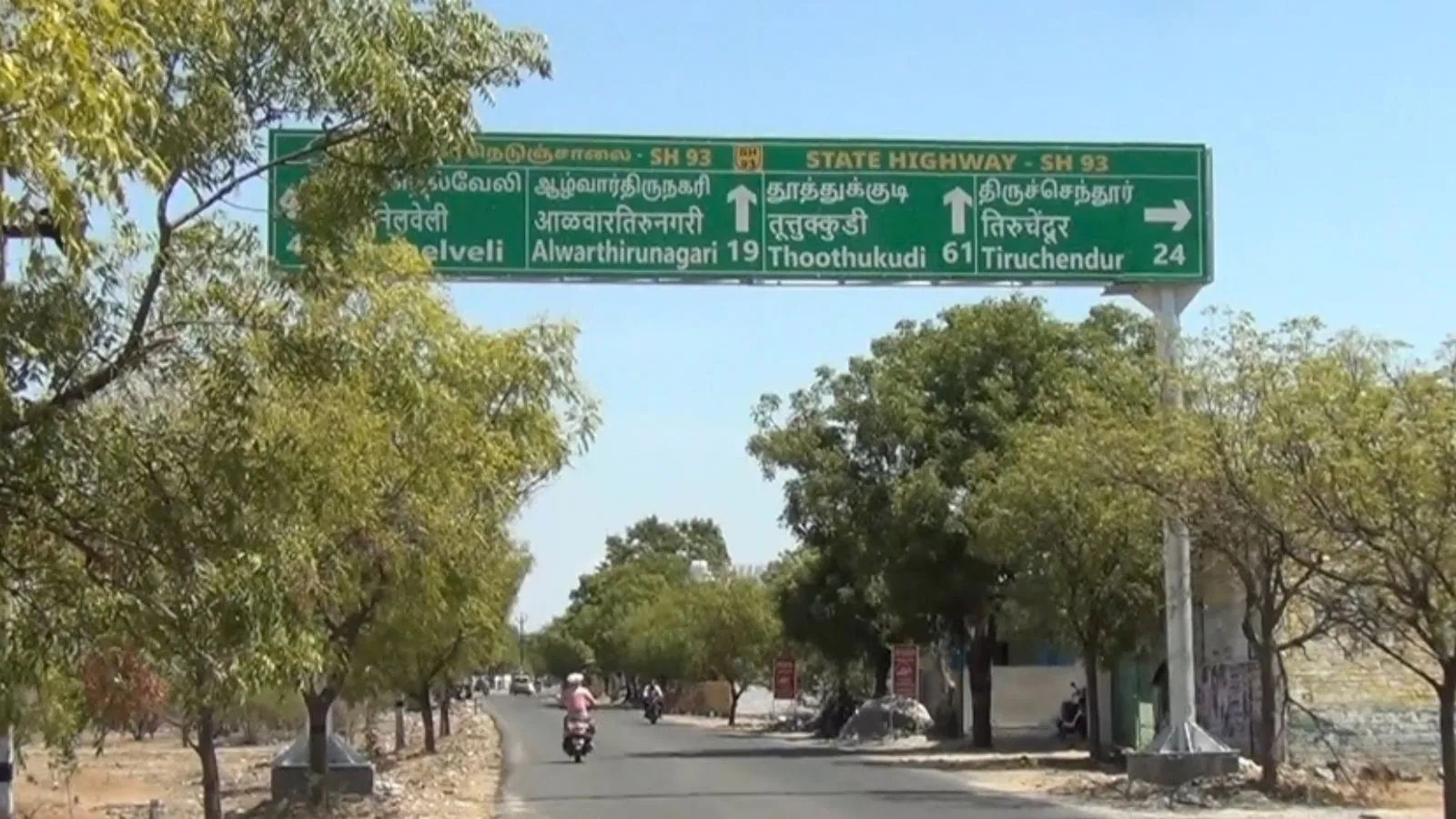
On Friday, a Hindi signboard on State Highway 93 between Sathankulam and Nazareth sparked a row when DMK president MK Stalin accused the Tamil Nadu government of language imposition. The board, which listed destinations in Hindi alongside Tamil and English, had been installed by the state highways department.
The incident reignites a long‑standing struggle over language policy in the state. In the 1960s, anti‑Hindi agitations led to the DMK’s 1967 electoral victory and cemented a two‑language system—Tamil and English—opposed to the national three‑language model. The state has consistently resisted the National Education Policy’s push for Hindi in schools.
Within hours of Stalin’s post on X, the state government removed the Hindi lettering and suspended the assistant divisional engineer and assistant engineer responsible for the signage. The move was announced by the highways department, which warned that officials who defy the two‑language policy would face “stringent action.”
Stalin’s criticism extended to the ruling Tamil Maanila Congress, accusing it of making a U‑turn after public protests. He warned that such a “dangerous” approach could erode the state’s linguistic sovereignty. The government’s swift response underscores its commitment to the two‑language policy, with officials now under tighter scrutiny.
The episode signals a hardening stance against Hindi imposition, and the state has pledged to review signage guidelines next week to prevent future violations.