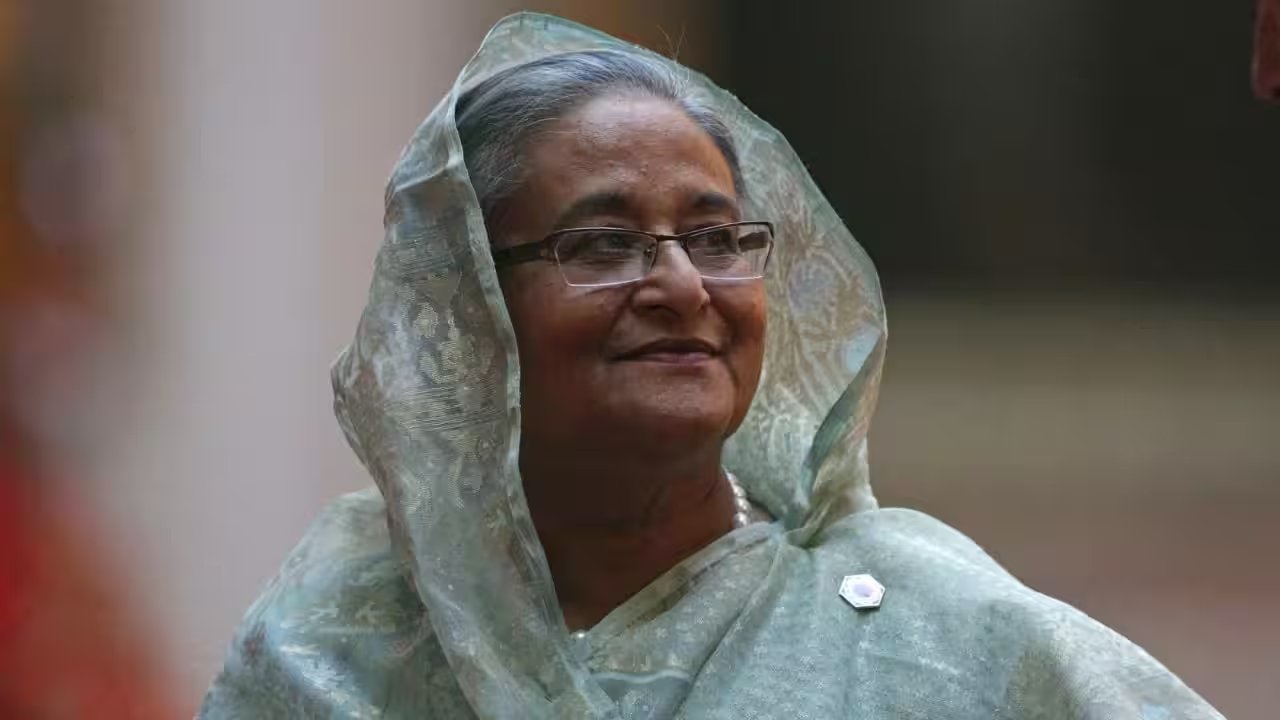
High Commissioner Dinesh Trivedi told a panel at a Dhaka‑based think tank that the extradition request is still under a legal review, so New Delhi cannot give a timetable for Hasina’s return.
Hasina fled to India in August 2024 after mass protests toppled her administration. She was escorted by a Bangladeshi military detachment from her Dhaka home and flown aboard a Bangladeshi aircraft before the interim government assumed control.
During the 18‑month rule of interim chief Mohammad Yunus, a special tribunal convicted Hasina in absentia and sentenced her to death, while the Awami League was dissolved. Following the February 12 elections, Tarique Rahman’s Bangladesh Nationalist Party took office and has repeatedly demanded her extradition.
Tensions flared again when Hasina held a virtual press conference from New Delhi on August 5 2026, the second anniversary of her ouster. Bangladesh’s foreign ministry called the event "vitiated" and India denied any role in shaping the remarks, while Rahman declined an invitation to the BRICS outreach summit and a separate bilateral meeting has been put on hold.
Despite the frosty relations, Bangladesh’s foreign‑affairs minister Humaiun Kobir said during a meeting with Trivedi that progress on Rahman’s proposed visit to India is "positive," though no date has been fixed. The next step may involve a diplomatic exchange or a hearing on the extradition request.
A Dhaka‑based fisherman, whose family was displaced by the crackdown that toppled Hasina’s government, says the political turmoil has left his livelihood in jeopardy, underscoring the human cost of the power struggle.