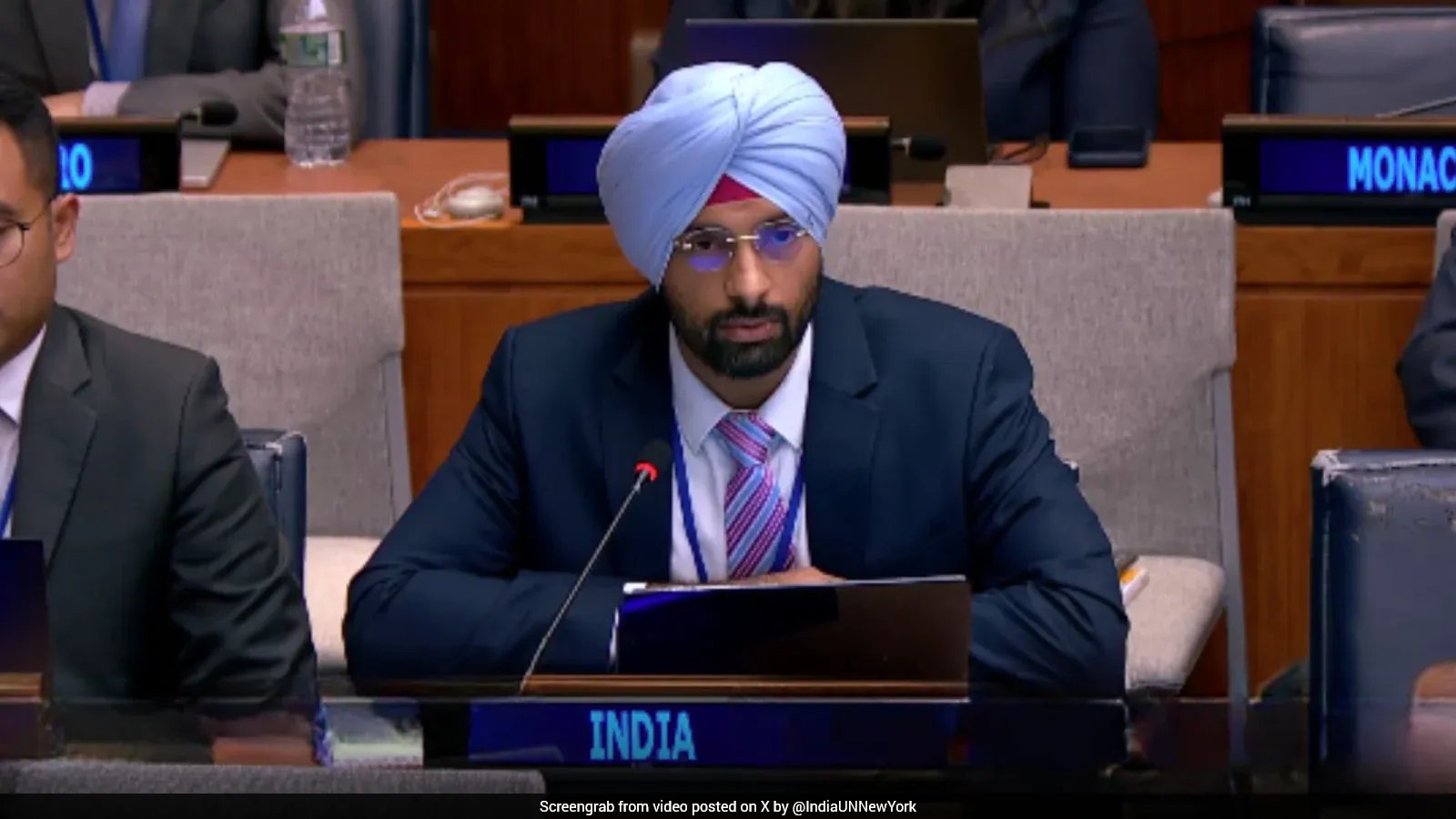
India's diplomat Anmol Sher Singh Bedi fired a scathing rebuke at Pakistan during the 81st session of the UN General Assembly's First Committee on May 25, 2026, citing the 26 civilian deaths in the Pahalgam terror attack.
Bedi said the Indian military’s May offensive in Pahalgam was a measured, self‑defence response to a grave provocation that killed 26 civilians. He stressed that the attack “was not an isolated incident but part of a broader pattern of cross‑border terrorism.”
Turning to the Indus Waters Treaty, Bedi reminded delegates that the 1960 agreement was built on good faith and cooperation. He warned that undermining the treaty’s foundations would erode trust between the two nations.
On nuclear proliferation, the diplomat invoked the AQ‑Khan network and UN Security Council Resolution 1540, urging all states to prevent non‑state actors from acquiring weapons of mass destruction. “Nuclear weapons must not become a shield for terror,” he said.
Bedi concluded that India would not bow to nuclear blackmail, a stance that could intensify diplomatic friction. The speech set the tone for Pakistan’s counterstatement later in the session, raising the stakes for the UN’s debate on Indo‑Pak security.