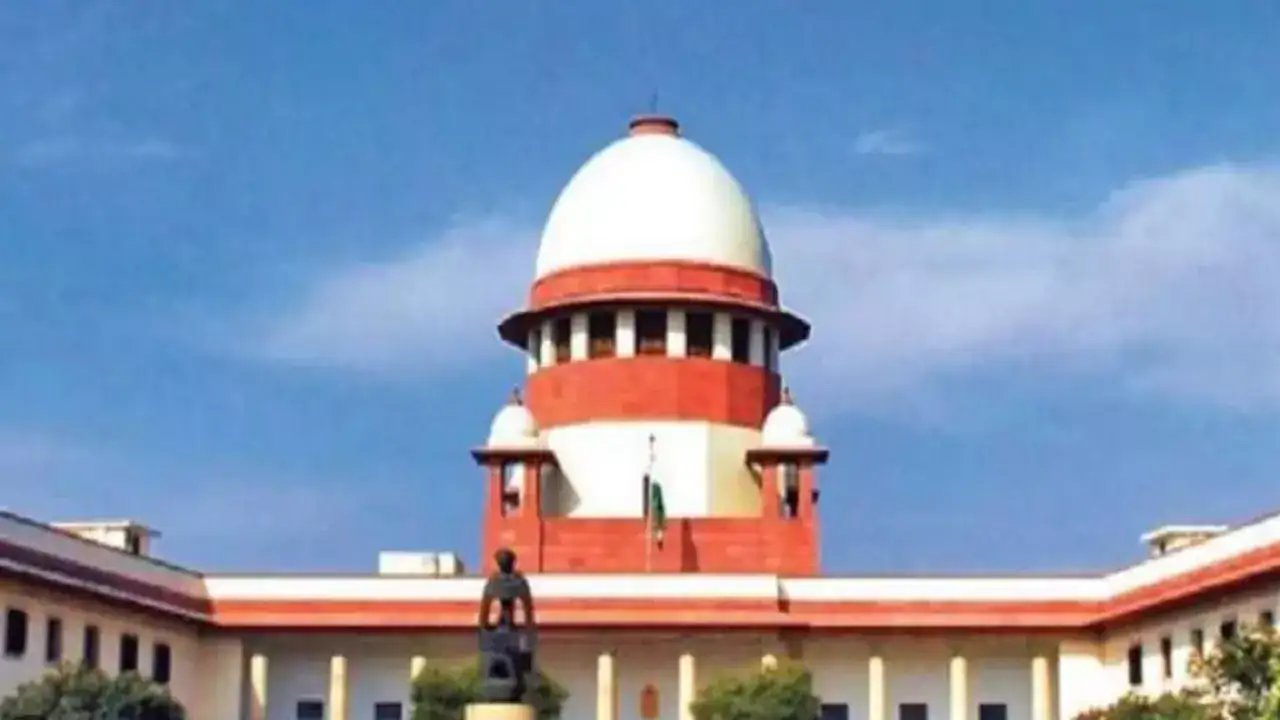
On Sunday, the Supreme Court issued a directive to Delhi Metro Rail Corporation to keep 45 stations operational and to restore normal internet services across the capital immediately. The bench also reiterated that metro services should run according to their normal schedule, subject to public order. The order follows the court's earlier 9 October ruling that prohibited a complete ban on movement ahead of the Cockroach Janta Party protest.
Initially, 57 stations had been earmarked for closure before the court reduced the number to 45 after the earlier order. The court asked authorities to explain the criteria used to decide which stations remained open and why the number changed. The CJP protest, scheduled at Jantar Mantar, seeks the resignation of Chief Election Commissioner Gyanesh Kumar over alleged irregularities in the Special Intensive Revision of electoral rolls.
The directive emerged from a plea for contempt filed by advocate Shailendra Mani Tripathi, who named Union Home Secretary Govind Mohan, Delhi Police Commissioner Anurag Kumar and D Thara, chairperson of DMRC, as respondents. Tripathi argued that authorities had violated the court's earlier directions by imposing restrictions on metro and train services. The bench emphasized that no lawyer should be prevented from discharging professional duties.
Delhi Metro employees who were scheduled to work on the 45 stations report that the sudden change has disrupted shift patterns but they are preparing to resume services tomorrow. The court has set a deadline of 24 hours for authorities to submit a detailed explanation of the closure criteria. The next hearing is scheduled for Monday, when the court will review the responses and decide on further measures.