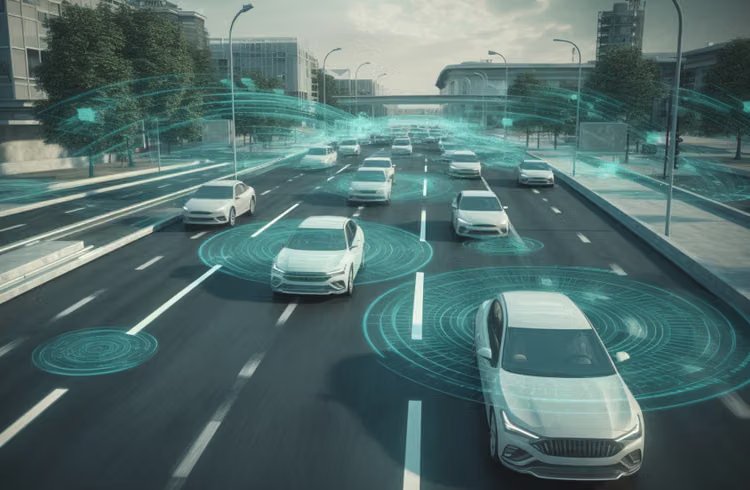
But if you’re hunting for a new car in 2027, the ADAS Show 2026 says the road ahead will be a lot safer—at a cost. The event, held on 3 December at ARAI’s Test City in Pune, brings a ₹5,000 crore pledge from the government and industry to ramp up advanced driver‑assist systems across India.
The pledge isn’t just a line‑item on a budget; it signals a regulatory push that could force OEMs to embed features like adaptive cruise control, lane‑keeping assist and even vehicle‑to‑vehicle (V2V) chatter in all new models by 2028. That’s a big shift from the current patchwork of optional safety packages.
ITS India Forum will lead a deep‑dive session on V2V communication, a technology that lets cars talk to each other about braking, lane changes and traffic signals. If the pilot programs succeed, you could see a future where your SUV in Pune automatically slows down when a truck ahead brakes hard—something that today’s infotainment‑only systems can’t do.
The focus on localisation is key for Indian buyers. Roadways here are a mix of smooth highways and narrow, congested city lanes. Adapting global ADAS tech to these conditions means tweaking sensor algorithms to handle two‑wheelers, pedestrians and erratic traffic, which the ARAI’s test rigs will validate during live demos.
With senior reps from the Ministry of Heavy Industries and the Ministry of Road Transport and Highways on hand, the show will also outline forthcoming standards and duty exemptions that could lower the cost of sensors and software—though the upfront price of a fully‑equipped SUV might still climb a few lakh rupees.
Mark your calendar for 3 December in Pune. The ADAS Show 2026 will set the tone for the next wave of Indian cars, so keep an eye on how the new safety mandates roll out in 2027‑28 and what that means for your wallet.