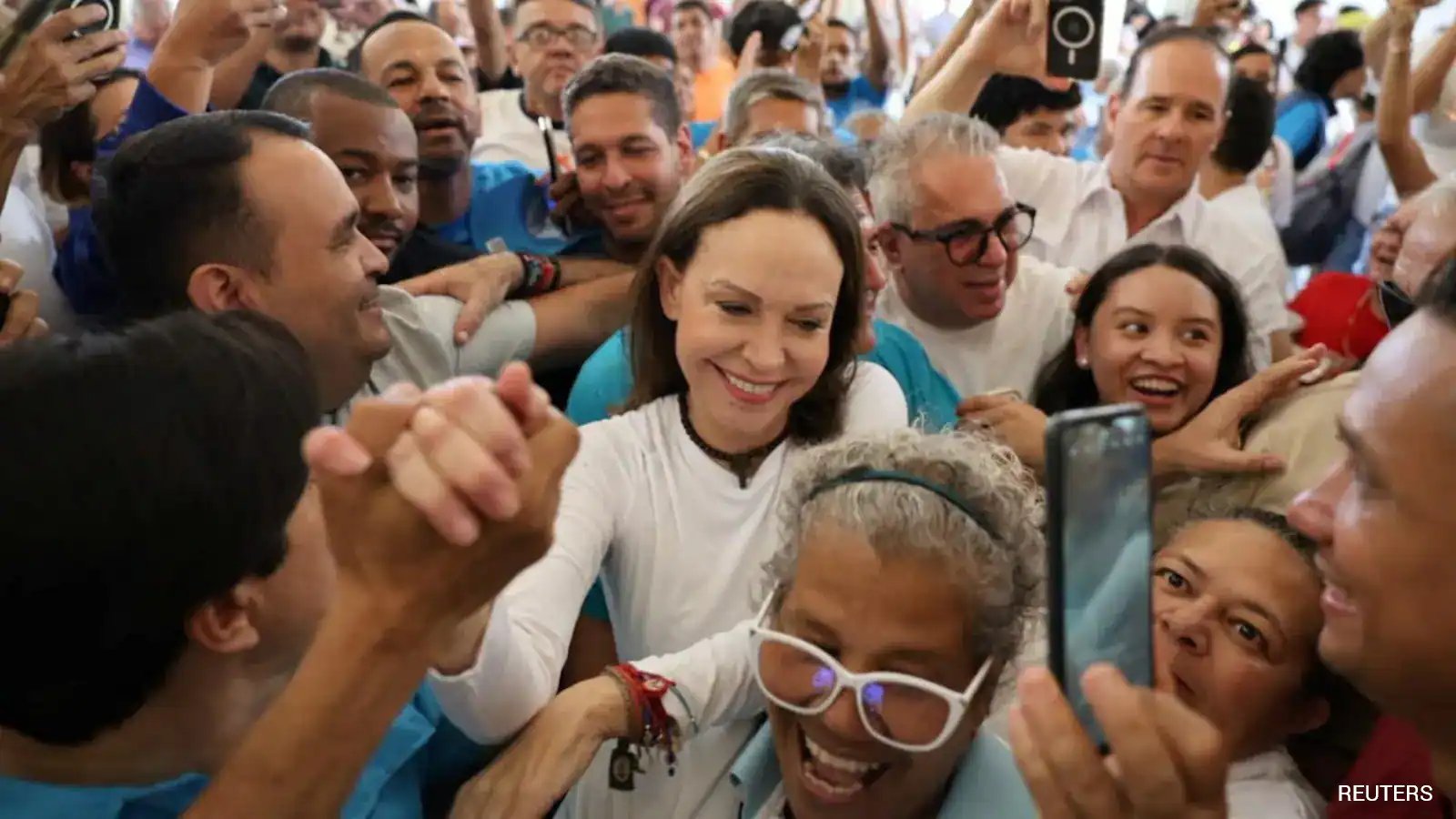
Machado arrived at a church in Lara state, where supporters pressed their faces to the windows of her SUV and shouted that she would become the next president, capturing the moment in a flurry of photos and videos shared by her party.
The interim administration, led by Delcy Rodriguez, has opened a limited political space for exiled politicians, yet Machado has been conspicuously absent from formal negotiation tables, making her return a stark deviation from the status quo.
U.S. allies reacted with enthusiasm: Representative Maria Elvira Salazar hailed the move as “the beginning of a new chapter,” while Secretary of State Marco Rubio linked Machado’s return to the U.S.-backed reconciliation talks, emphasizing a commitment to democratic freedoms.
Rodriguez now faces a dilemma. Allowing Machado to campaign openly could undermine the careful political opening she has managed; detaining her could trigger U.S. pressure and risk international condemnation.
Observers warn that Machado’s presence could mobilize grassroots movements, as seen in the spontaneous chants of supporters who, after months of exile, now rally in her wake, potentially tipping the balance in forthcoming elections.
In the coming week, Rodriguez and opposition negotiator Dinorah Figuera will reconvene at the Miraflores palace to weigh the next steps, while the interim government monitors how the political environment will shift under Machado’s renewed influence.