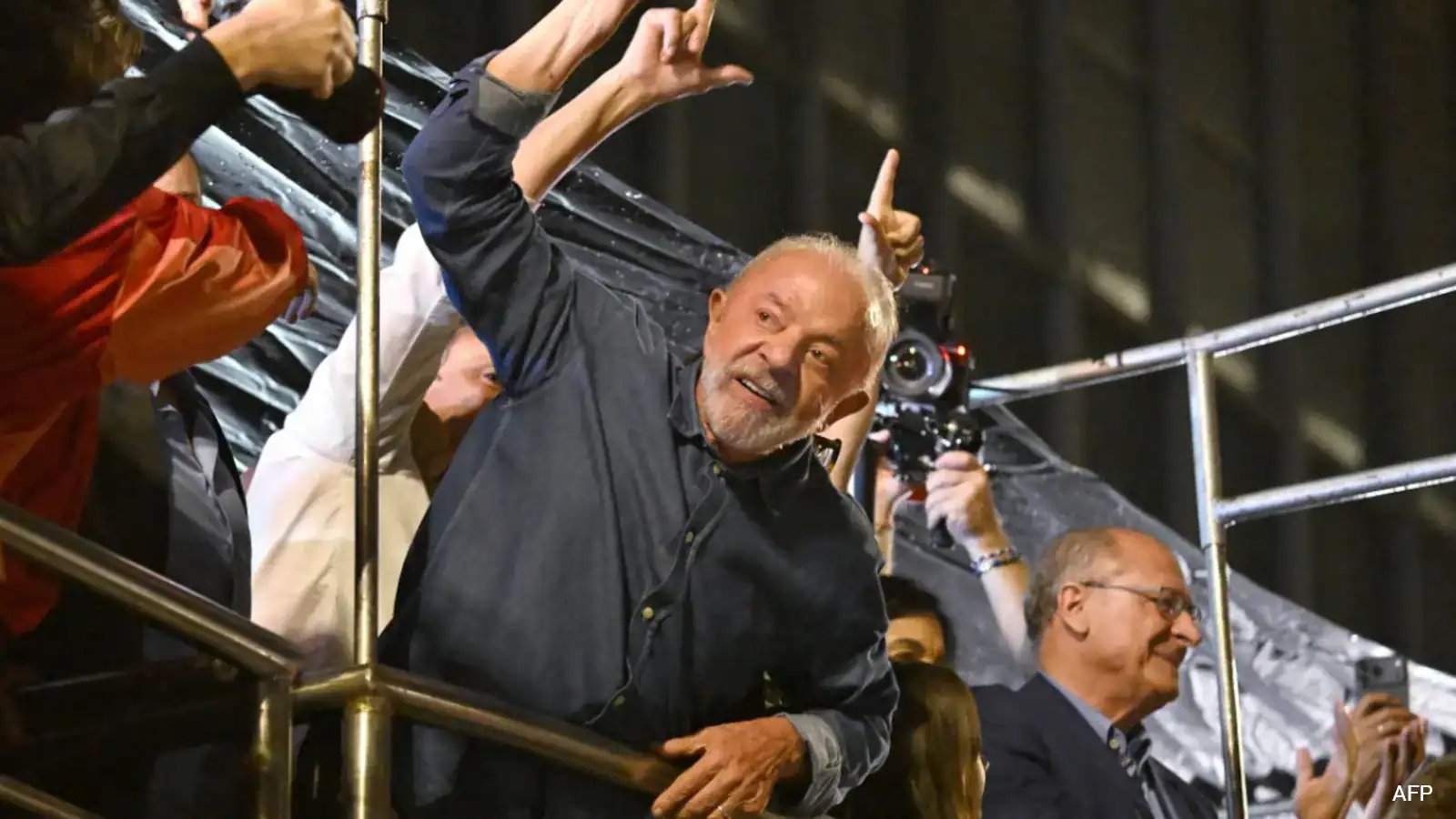
President Luiz Inácio Lula da Silva secured 51.7% of the vote in Brazil’s November 4 runoff, defeating rival Flavio Bolsonaro, who garnered 48.2%, as the nation approached Lula’s 81st birthday.
The narrow margin underscores a decade‑long political split, with Bolsonaro’s far‑right faction still wielding significant influence despite the former president’s 27‑year prison sentence for a coup attempt.
Lula faces a Congress that lacks a majority; the Liberal Party, led by Bolsonaro, holds 121 of 513 seats, while the Senate houses 28 of 81 Bolsonaro allies. He will have to rely on the centrist “Centrao” bloc, whose leverage has increased as lawmakers now control a larger share of the federal budget, giving them greater independence from the executive.
Economically, Brazil confronts a fiscal deficit, public debt over 80% of GDP, and one of the world’s highest interest rates, a combination that could spiral into crisis. Economist Mauro Rochlin warns that necessary adjustments will be unpopular and face strong Congressional lobbies, threatening Lula’s flagship welfare programs that have lifted millions out of poverty.
Security concerns dominated the campaign; Lula promises tougher action against criminal groups and militias, while the opposition urges lower criminal responsibility ages. Meanwhile, U.S. tariffs imposed by the Trump administration—25% on certain goods—force Lula to balance anti‑imperialist rhetoric with pragmatic trade negotiations.